
Media portrayals of Muslims fuel xenophobia
Scholars who undertook a study on how Western media covers terrorism have confirmed what we had known for some time. The news media wield…

Govt is digging own grave by muzzling online freedoms
The ongoing campaign against digital media is an extension of the established patterns of how the state – including elected government – can muzzle…
Odd spaces and new media
Raza Rumi talks to artist Faisal Anwar, whose work plays with space and time in the digital era. Faisal Anwar is a renowned interactive,…
My interview with Ithaca Times, U.S. (Asylum Writer Wields Pen Against Sword)
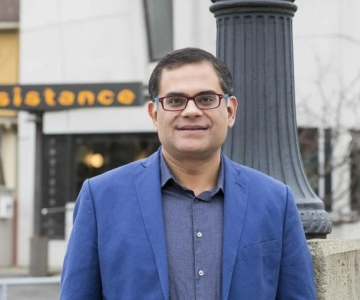
Recently I was interviewed by Ithaca Times, USA. Here is the text: The Ithaca Times sat down with Rumi to talk about his work…
Raza Rumi on Journalists at danger in Pakistan
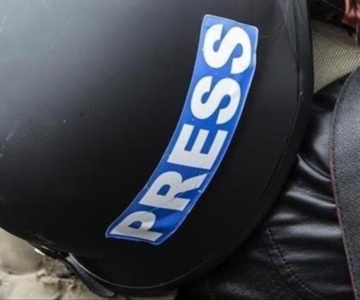
Raza Rumi’s analysis on the current situation of journalists in Pakistan. Raza asserts that unfortunately media houses and the state itself has not been…

One year after: On the endangered freedoms in Pakistan
It has been a year as I wrote here since I was almost assassinated. I have already posted the tribute to Mustafa who died…
The Perils of Reporting in Pakistan
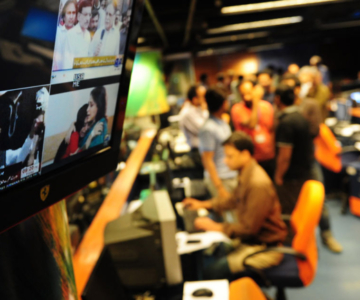
The toll of Taliban attacks is measured in more than bodies. By MARY LOUISE KELLY Stay in the news business long enough, and you…

Freedom to broadcast hate
This report by the BBC is extremely insightful. It talks about how broadcast media are fanning sectarian passions across Middle East – on all…
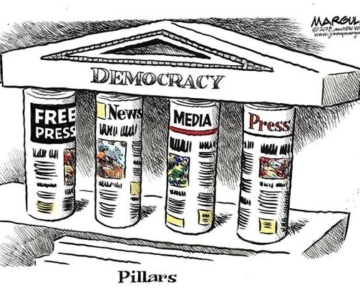
Watching the watchdog
Democracy is like an infertile woman that cannot produce anything, thundered a popular columnist (a real opinion-maker) at the Association of Physicians of Pakistani…

On the divided media of Pakistan (Urdu video)
My analysis on the division of Media in Pakistan. There are several important issues associated with Pakistan’s Media. Here I highlight three of the most…
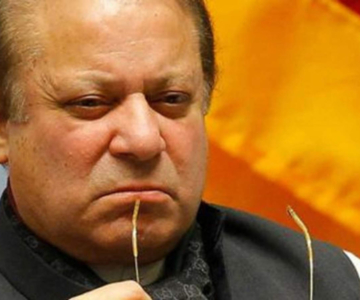
Challenges for the PML-N
In early June, the PML-N completed one year in office and presented its second budget before the Parliament. Both these events were overshadowed by…

Pakistan’s journalists under siege – my interview
Recently I talked with ” ABC news” (Australia) and explained how Journalism is under siege in Pakistan. Here is the audio-link. The transcript of…
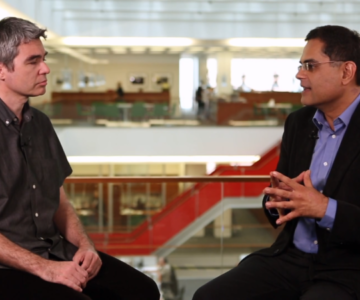
Pakistani Media Under Attack
My interview with Robert Mackey from the New York Times. The Pakistani journalist Raza Rumi survived an assassination attempt in March that killed his…
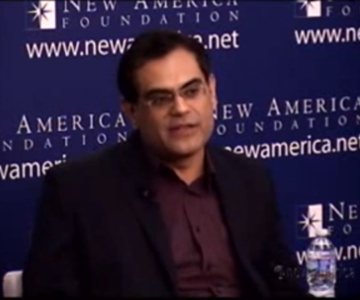
Reporting in Pakistan – My talk
I spoke at the New America Foundation with Kati Marton, Peter Bergen and Joel Simon on the dangers of reporting freely in Pakistan. It…
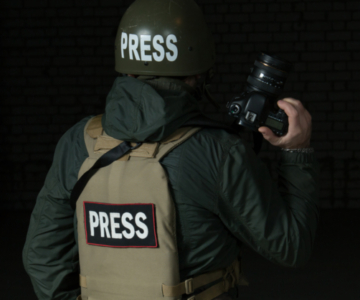
Pakistani Journalists Live Dangerously If They Cross The Line
Listen to the story: Steve Inskeep talks to Raza Rumi, editor of the Pakistani newspaper Friday Times, about the rise in attacks against journalists.…
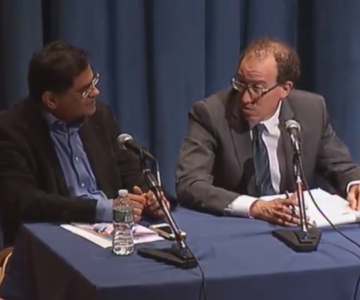
Speaking at the launch of UNESCO Press Freedoms Report
Went to the UN to discuss UNESCO Media Trends report on press freedom & role of free media in global development agenda Watch my…
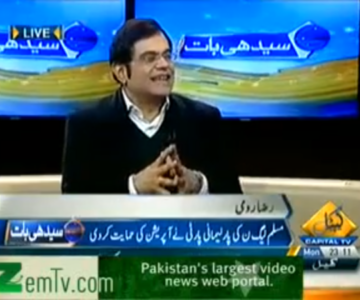
Seedhi Baat, Raza Rumi on terrorism and threat on media
Raza Rumi discusses terrorism in Pakistan and the role played by PMLN to curb it – 2014.…

Pakistan: Media Freedoms and Judicial Accountability
Media freedoms in Pakistan are no longer a cause of celebration. Recent events have shown that journalists are facing pressure from all sides. Historically,…
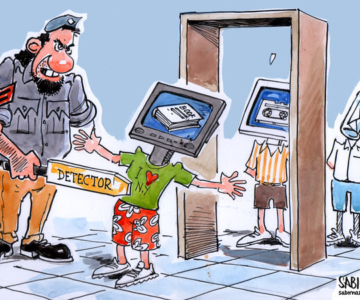
Social media: Good, bad and the ugly
Despite the threats and risks, the Internet has provided a useful platform for people-to-people contacts. It has also facilitated issue-based engagement among South Asians…
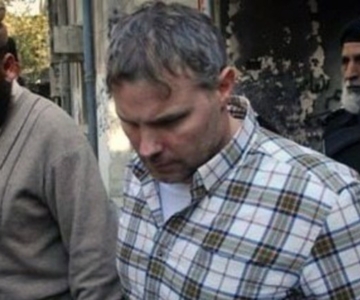
Raymond Davis and our national honour
A few weeks ago, when the Raymond Davis saga had gripped the public imagination, I had humbly suggested, on a TV show, that this…