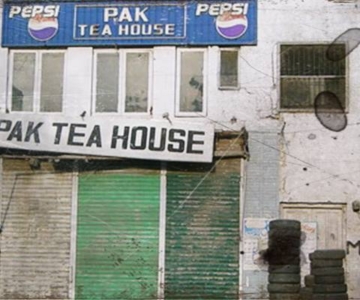
The tender tea house
I was quite pleased to read this piece. Aside from fact that it talks about me, the constant rememberance of Pak Tea House is…
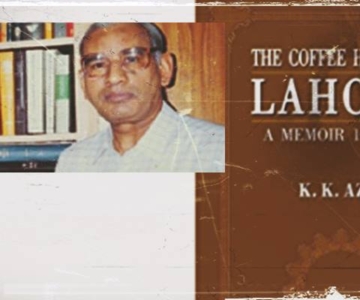
Coffee, tea and revolution
Before his death in July 2009, KK Aziz had accomplished one mission that he had set for himself, i.e. to write about the Lahore…
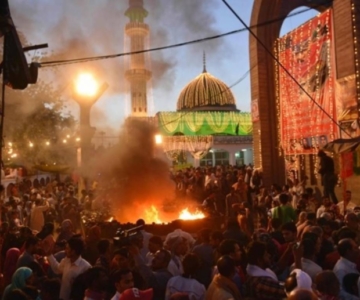
‘I belong to Ranjha’ – the syncreticism of Lahore’s Shah Hussain
Lahore, the ancient city of Loh, the age-old halt for invaders, is also the home to eclectic Sufis. Men and women who shed conventions…
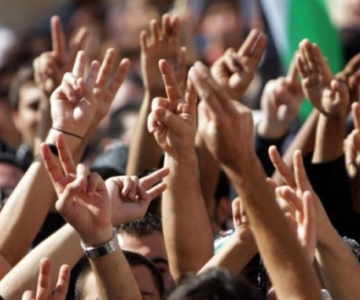
Civil society speaks
Zinda dilaan-e-Lahore say no to Talibanisation, reports Raza Rumi Never before have we citizens been traumatised with an uncertain future and the knocks of…
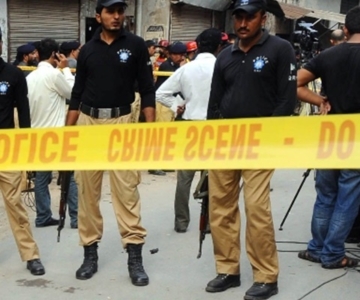
Lahore is burning
[reportedly] 27 dead and dozens injured – no respite for us. Once again, in less than a month Lahore has been ravaged by terrorists.…
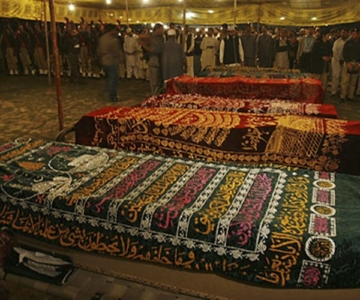
Sad times in Lahore
What a sad day it was – a city that usually glows with spring colours and crisp air was a death-zone. Everyone was afraid…
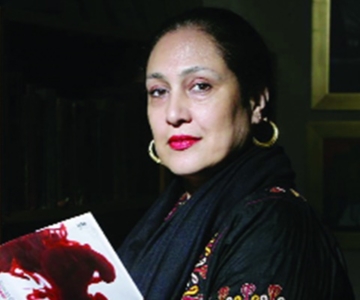
Shahid Jalal’s new paintings
Jugnu Mohsin writing for The Friday Times says that Lahore’s most celebrated oasis is now the subject of enchanting paintings You are truly amongst…
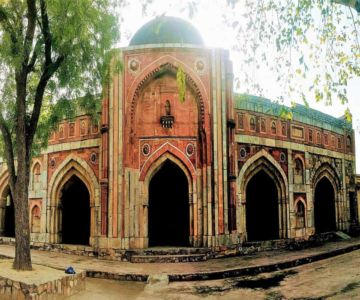
We shall overcome the trap of violence
As clouds of war hover in the skies of Lahore, I am missing Delhi and lamenting the relatively difficult venture to visit the city.…
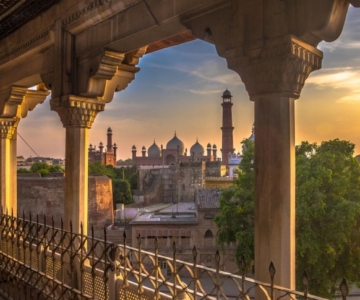
Unfullfiled Civic Longing
Written for The Friday Times, Pakistan After Mumbai, I have stopped watching television. I will not participate in the senseless jingoism of the Indo-Pak…
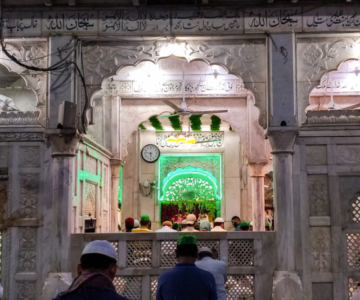
Data Ganj Baksh: Lahore’s oldest guide
Perhaps the greatest of the experiences at Data Darbar is to find oneself connected to a stream of humanity, shoulder to shoulder, with a…
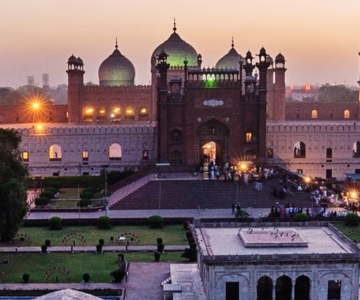
The native returns
Unaffected by the prophets of doom, a Lahori decides the city is the place to be Twenty years ago, I left Lahore. Excited by…
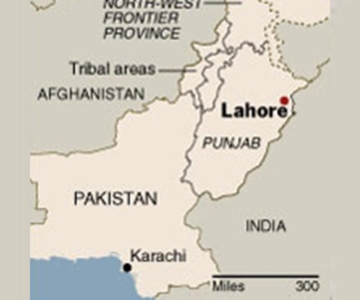
In City of Tolerance…
I was quoted in this NYT article on Lahore Still, Raza Rumi, a writer and blogger who takes great pride in his city, insisted…
Poverty and Inequality – the brewing storm
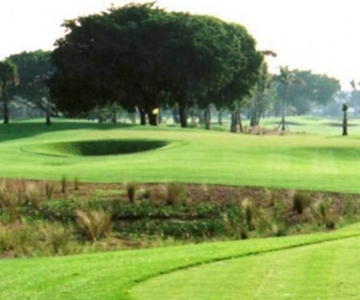
My op-ed first published here As I sipped the tenderly brewed coffee facing the lush green golf course of a relatively new Lahore Country…
Lahore blasts fail to terrorise Lahoris
Having lived two days in Lahore as a ‘resident’, the three low intensity blasts are a rude reminder that there is a war all…
Living Lohawarana – a Lahori rambling
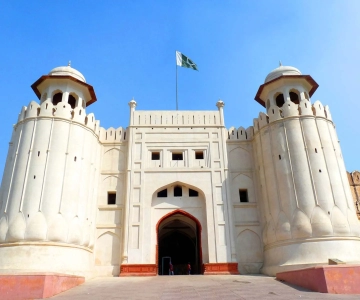
My piece for Himal Magazine’s October issue There was a Lahore that I grew up in, and then there is the Lahore that I…
Delhi by the book
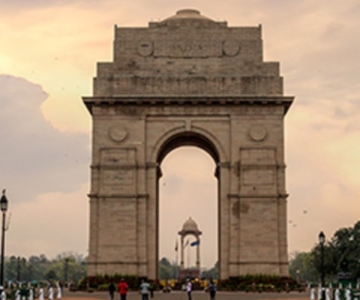
Published in The News What motivates me to write? Lacking an appropriate label, a catchy boxed tag such as a historian or a sociologist,…
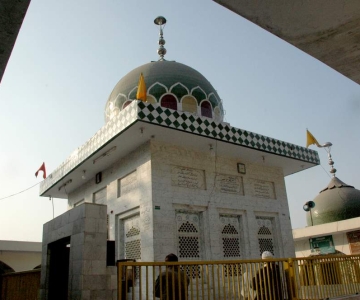
Selections from Shah Hussain’s poetry
“In the new Lahore lies buried Shah Husain and with him lies buried the myth of Lal Husain. Still, at least once a year…
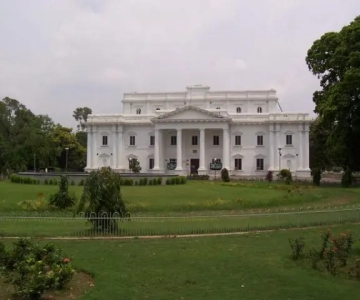
Living Histories
Essences of the past and present come alive at the Lawrence Gardens Lahores Lawrence Gardens, baptised the Bagh-i-Jinnah in the post-independence era, represent the…
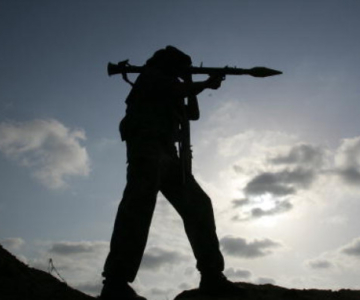
Lahore blasts and the Jihad industry
My city Lahore was attacked yet again by the pusillanimous attackers pretending to be brave and honourable. There is no justification and no excuse…
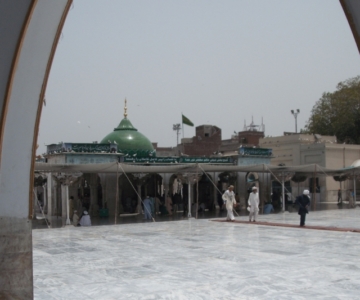
More on Data Saheb
Lahore Metblog has published a lovely post on Data Saheb of Lahore today During the urs the shrine and its whereabouts are beautifully lit.…