“Raza Rumi represents the intellect that defies identity and its lethal politics in the company of a few great classical minds that Pakistan is straining to forget. The mystic best represents his kind of political analyst: honest and non-partisan and therefore the target of the obscurantist. Being Pakistani enables us to understand cultural anxieties in a non-challenging, persuasive manner.”

Khaled Ahmed, Consulting editor, Newsweek Pakistan; Columnist

LATEST BOOK

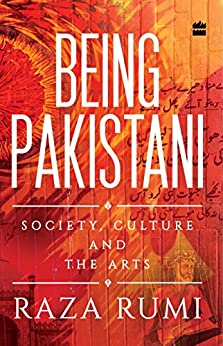
Being Pakistani

Society, Culture and the Arts

How different is Pakistan’s culture from that of India? Exploring various aspects of the arts, literature and heritage of Pakistan, Raza Rumi argues that culture in Pakistan is not particularly unique to the nation, but rather a part of the cultural identities shared by South Asians. From the songs of Kabir and the ballads of Bulleh Shah to the cult of the feminine in the Sindh region, Rumi takes a kaleidoscopic view of the deep-set cultural mores that tie India and Pakistan together. Going further, he examines aspects of the visual arts, poetry, music and literature of Pakistan that impact global cultural narratives. Finally, he introduces readers to contemporary Pakistani writers and artists and the milieu in which they express their creativity, giving us a fascinating glimpse into cultural productions in Pakistan today. Being Pakistani is a riveting account of artistic traditions and their significance in present-day Pakistan, presenting an alternative view of the country, beyond the usual headlines that focus on political instability and terrorism.

ABOUT RAZA RUMI
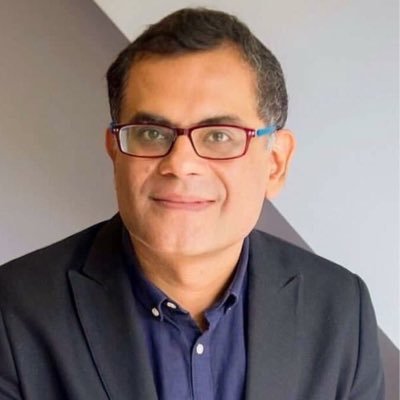
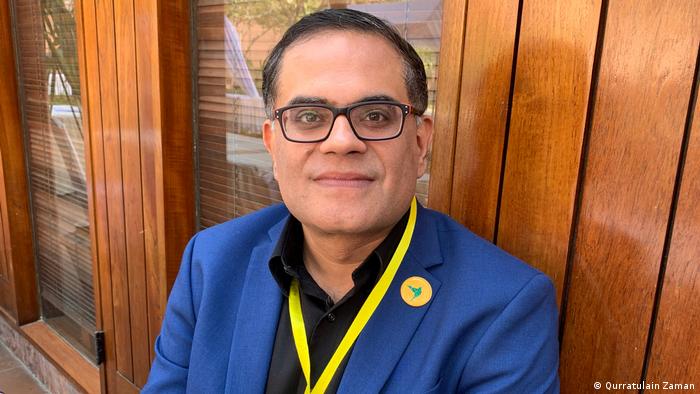
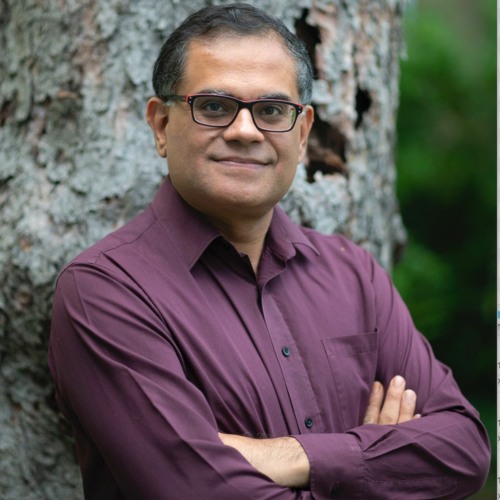
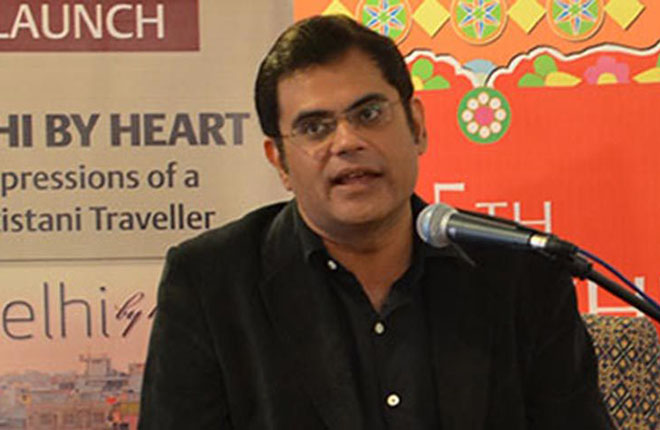
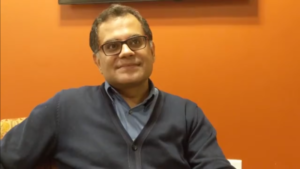
Raza Ahmad Rumi is a writer, public policy specialist, editor and instructor. Currently, he is a Distinguished Lecturer at City University of New York and a faculty member at Brooks School of Public Policy, Cornell University. During 2015-2023, he served as the Director at Park Center for Independent Media, Ithaca College where he also taught in Journalism and Writing Departments. He is also the editor of The Friday Times, NayaDaur Media and New Wave History. Raza has been a broadcaster on TV and prior to his media work, he was a staff member of Asian Development Bank, officer of Administrative Service of the Government of Pakistan and the United Nations.

Featured Articles
State Control, Corporate Interests, and Media Independence in Pakistan

During the past two decades, the media sector in Pakistan has grown immensely in terms of scale and influence. With the deregulation policy and…

UNPACKING THE BLASPHEMY LAWS OF PAKISTAN

Introduction  Pakistan’s draconian blasphemy laws have been used to perpetrate legitimised violence, executed in the name of religion. These laws have been used particularly…

Pakistan: No Country For Rebellion

Following the tumultuous events in Bangladesh and the dramatic ouster of Sheikh Hasina, Pakistani analysts have been debating if such a regime change was likely in their…
All Featured Articles
Tweets
Twitter feed is not available at the moment.

Books

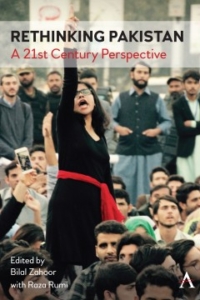
Rethinking Pakistan

A 21st Century Perspective Rethinking Pakistan brings together some of the best minds of the country and invites them to reflect upon the most…

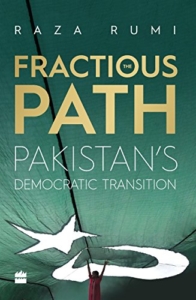
The Fractious Path: Pakistan’s Democratic Transition
Since its creation in 1947, Pakistan has oscillated between weak democratic governments and brutal military dictatorships, the latter ruling for about half its existence.…

Being Pakistani: Society, Culture and the Arts

How different is Pakistan’s culture from that of India? Exploring various aspects of the arts, literature and heritage of Pakistan, Raza Rumi argues that…

Identity, Faith and Conflict: Essays on Pakistan and Beyond 
As a journalist and media commentator, Raza Rumi publishes with frequency, responding to continuing troubling events in South Asia. As a policy analyst, he…

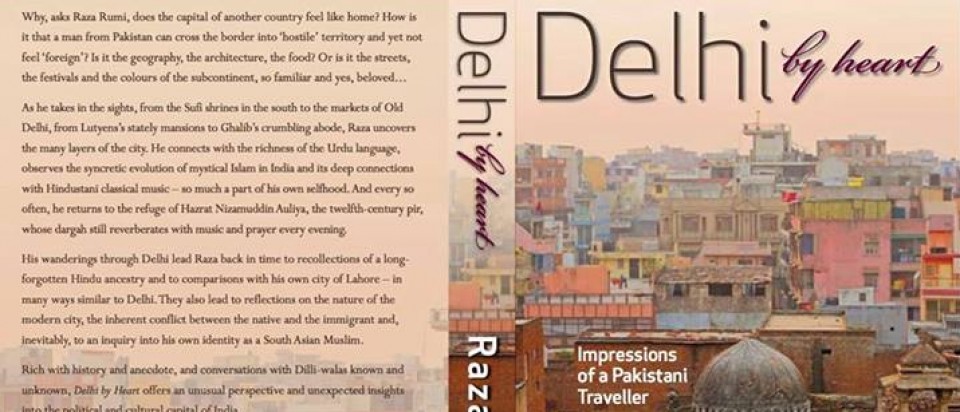
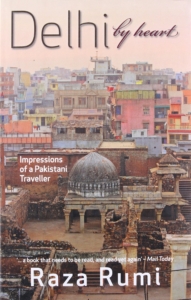
Delhi By Heart: Impressions of a Pakistani Traveller

Why, asks Raza Rumi, does the capital of another country feel like home? How is it that a man from Pakistan can cross the…

Journalism

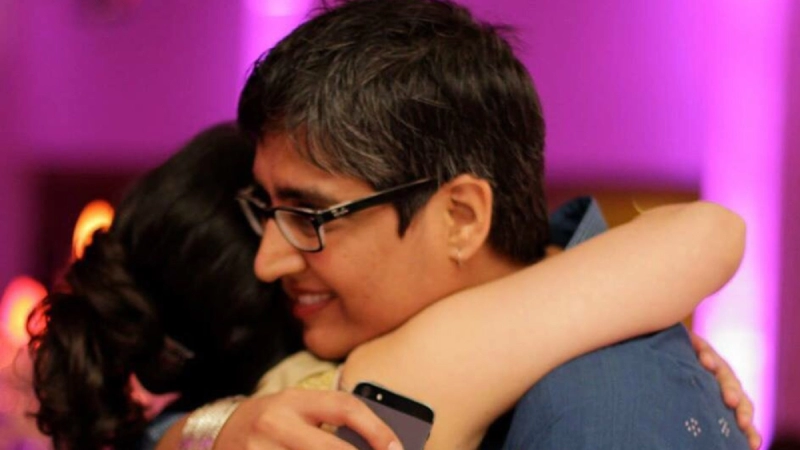
Sabeen Mehmud: A voice of reason, pluralism and secularism
I have been quoted on different stories published on the…

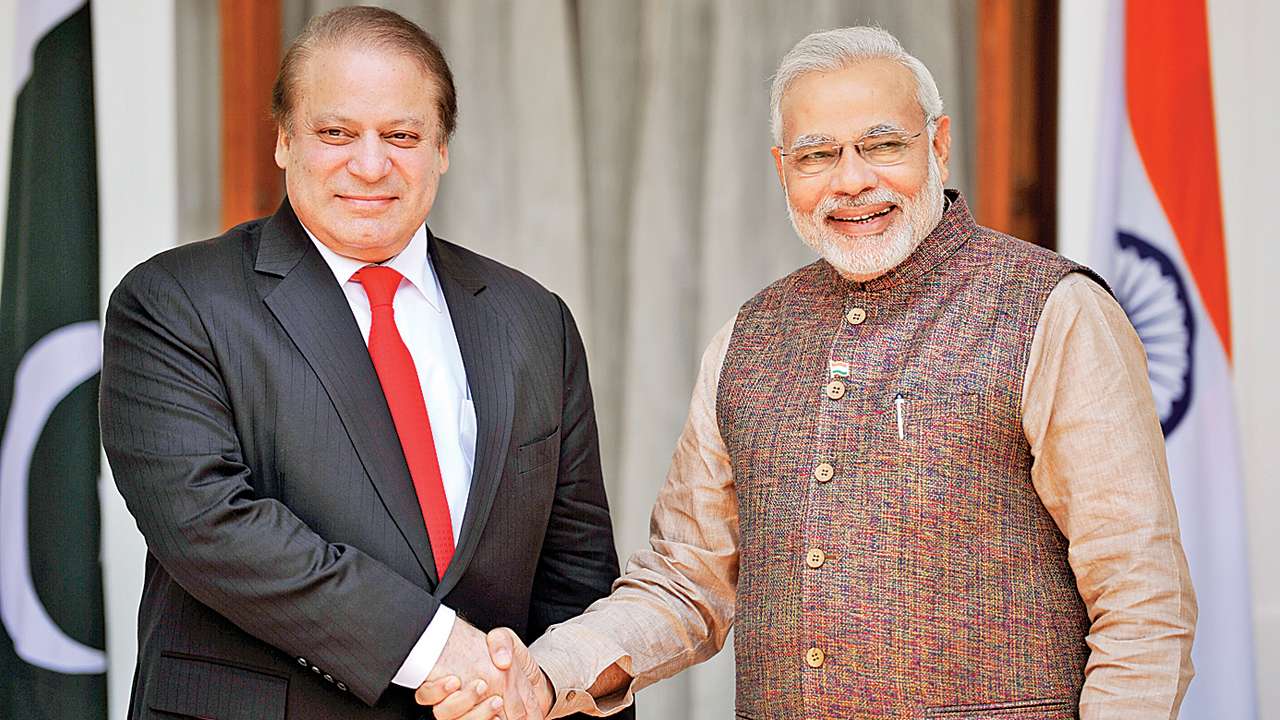
Be mature guys; there’s a lot at stake in India, Pak
  The much-hyped talks between the National Security Advisers of…

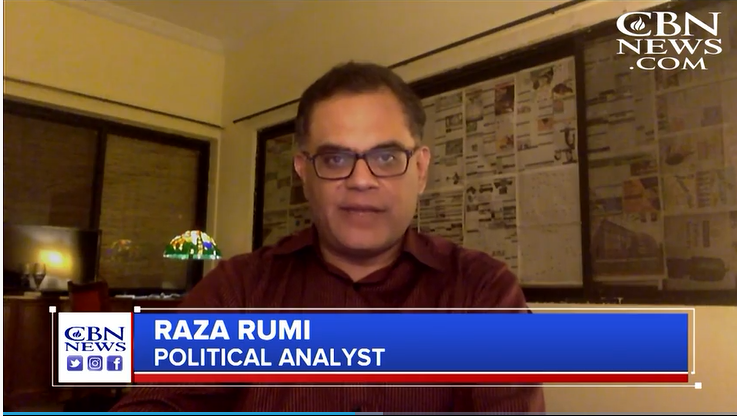
Suicide Bomber Strikes Pakistan Election as Christians There Fear Rise of Islamic Militancy
July 24, 2018: Suicide Bomber Strikes Pakistan Election as Christians There…

Media in the Cross Hairs: Militants continue to Target Journalists in Pakistan
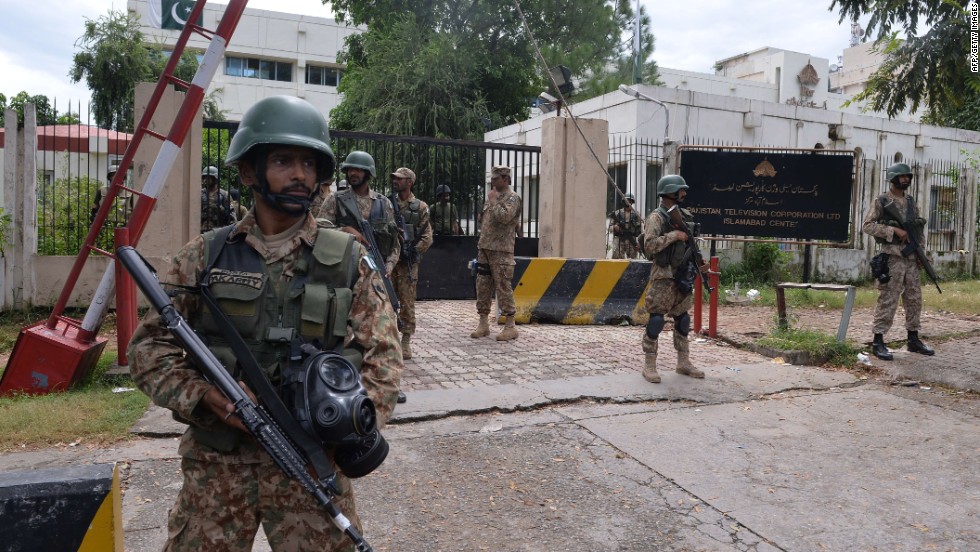
Despite the commitments of the Pakistan government to protect journalists,…

Pakistan’s perilous democratic transition
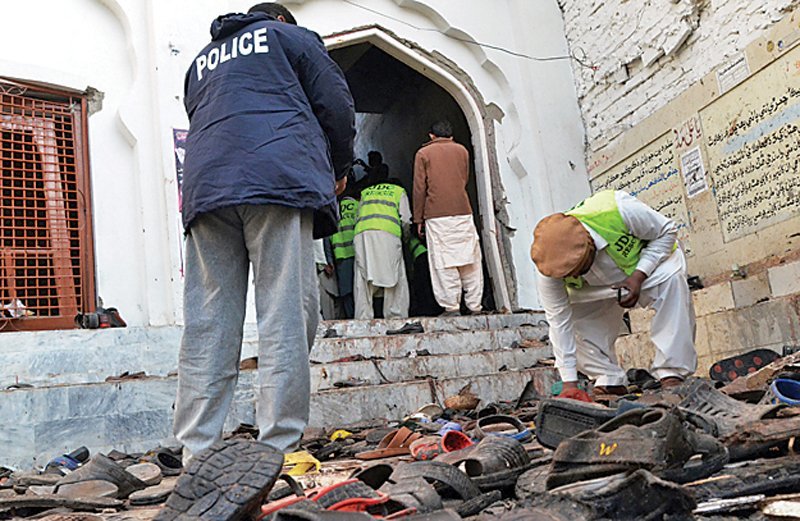
  Pakistan’s perilous democratic transition has been rocked by the…

Militancy in Sindh: End of our plural culture?

The recent carnage in Shikarpur has come as a shock…

Sticky wicket: Why cricket is a lot like sex
Something primal and deep is at work. And could be…

The personal is political

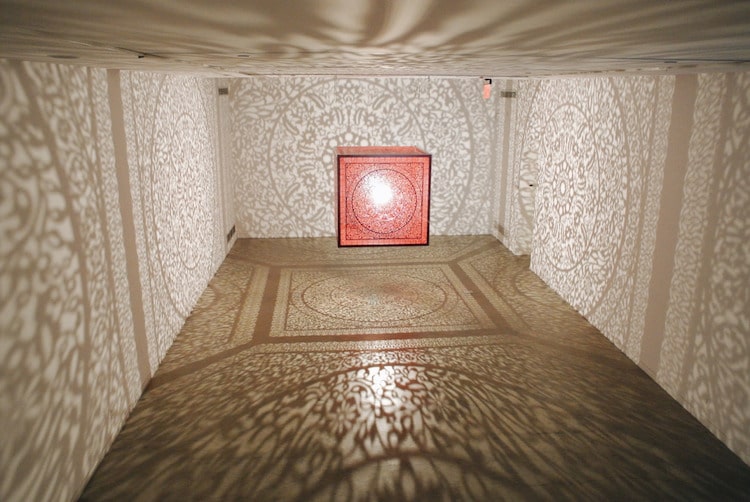
January 22, 2017: The personal is political (Dawn) Pakistani American artist…

The trajectory of peace

By Raza Rumi The dramatic events of the past few…

A twist in the tale

My Interview conducted by Abdullah Khan for Earthen Lamp Journal:…

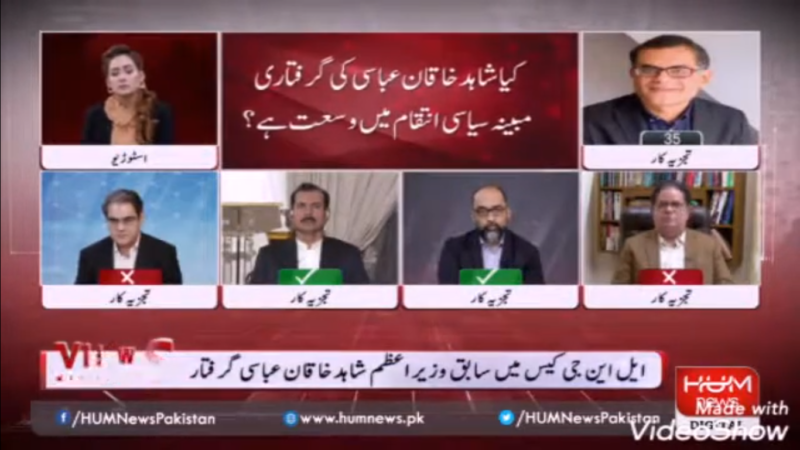
کیا شاہد خاقان عباسی کی گرفتاری مبینہ سیاسی انتقام میں وسعت ہے؟
سابق وزیراعظم شاہد خاقان عباسی کی گرفتاری پر میرا تجزیہ۔…

The Right to Dissent

(The year 2011 will be celebrated worldwide as the centenary…

Delhi and Lahore – globalised fads and trends
This piece of mine appeared in the Hindustan Times yesterday.…

A Young Pakistani Physicist Who Loves Nuclear Reactors
Last week, I was in Dallas, Texas to speak on…

Pakistan: Judiciary and Politics

September 30, 2018: Pakistan: Judiciary and Politics Pakistan’s judges have…

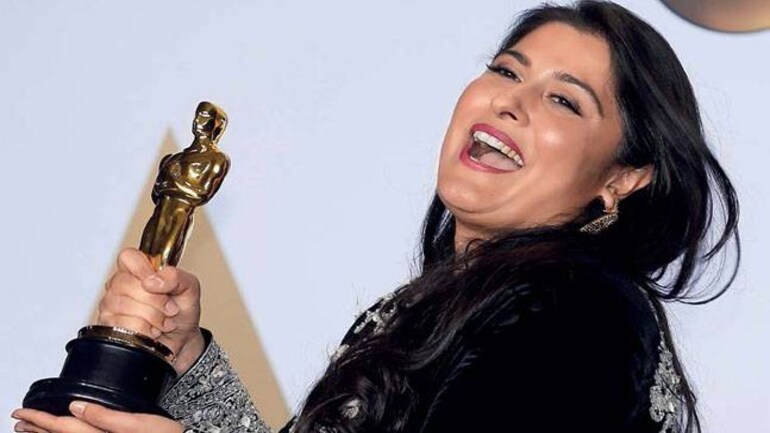
Sharmeen Obaid Chinoy’s, Badge of honour
Sharmeen Obaid-Chinoy’s Badge of honour incisive documentary helps reignite the…

The new Bhutto

My piece published in Express India In his first political…

Another Pakistani Journalist Threatened. Will the State Protect Him?
June 10, 2017: Another Pakistani Journalist Threatened. Will the State…

Be Global Citizens: My Advice to Public Affairs Students at Cornell Commencement
August 1, 2017: Be Global Citizens: My Advice to Public Affairs…

حج 2019: دنیا بھر سے مسلمان مقدس سرزمین پر پہنچ گئے

حجاج کرام میں اس برس کتنا اضافہ ہوا؟ سب سے…

Afghanistan: no cooperation, no stability
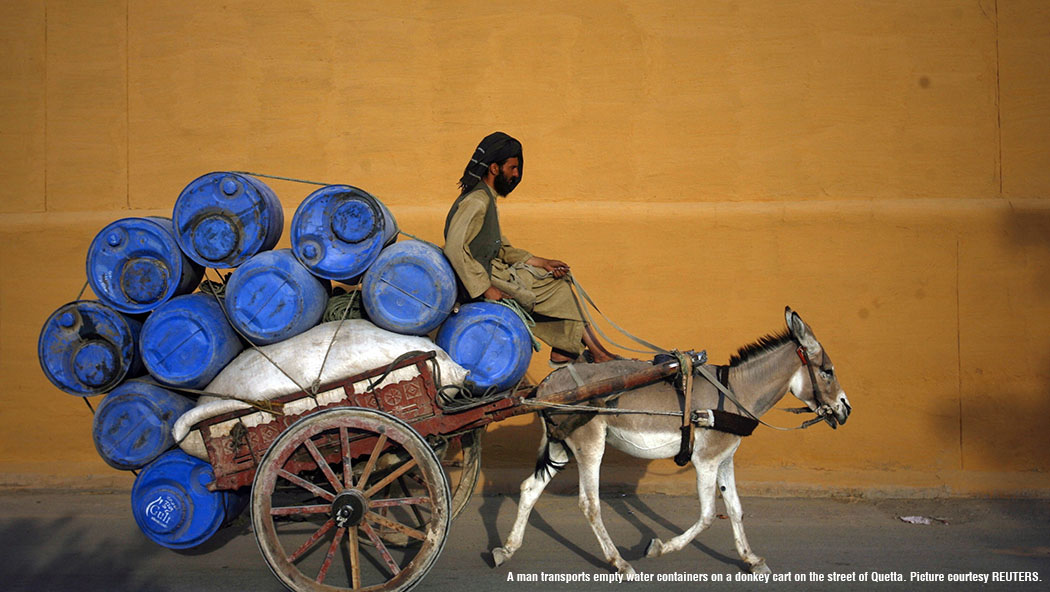
This is a shorter version of a brief which was…

Reclaiming One Voice

A man transports empty water containers on a donkey cart…

International Newsletter ‘The Story’ Gives Naya Daur A Warm Shoutout

Laxmi Murthi writes about the new space in Pakistani journalism…

When Will COVID Vaccine Arrive In Pakistan?
Lately with each passing day, the debate on procurement of…

Bring Pakistan’s Missing Bloggers Home
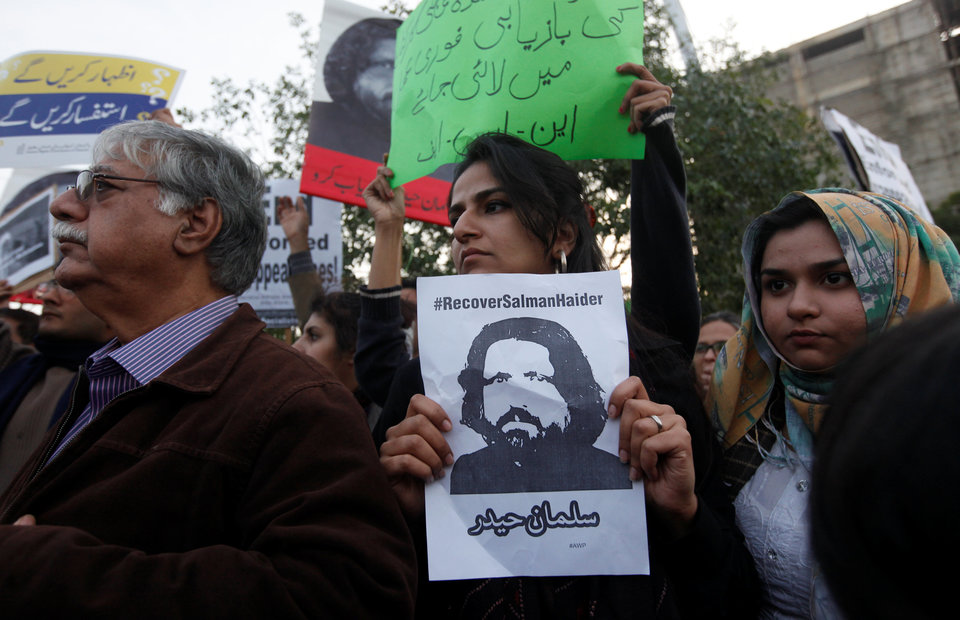
An activist holding an image of Salman Haider during a…

The Big Question: Is Print Media on its Way to Becoming Obsolete?
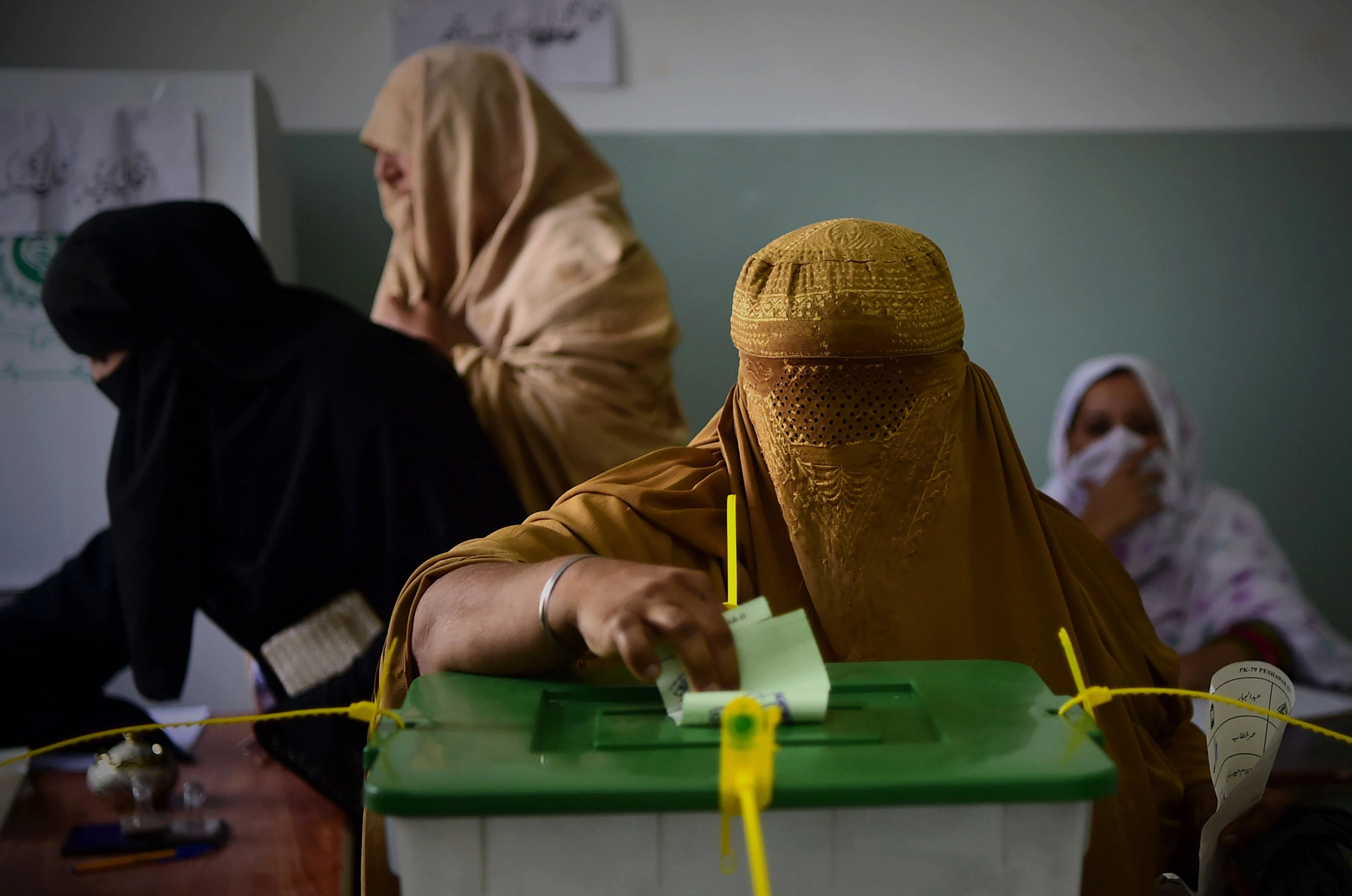
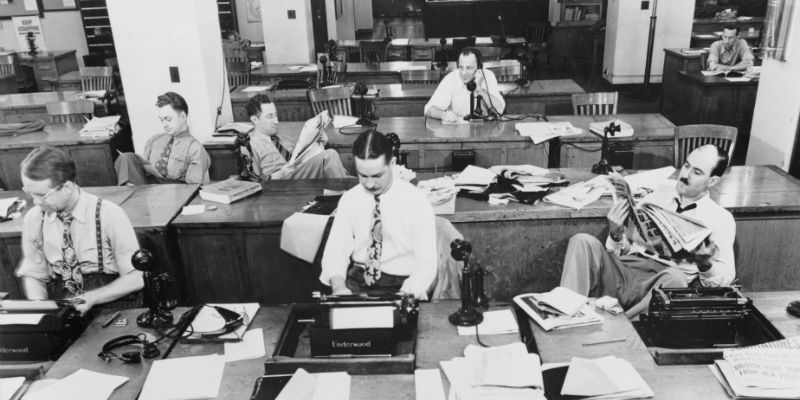
August 2017: The Big Question: Is Print Media on its Way…

Previewing Pakistan’s Election

July 19, 2018: Previewing Pakistan’s Election NOEL KING, HOST: It is…

The Fall of Nawaz Sharif

04 August 2017: The Fall of Nawaz Sharif, Open Magazine.…

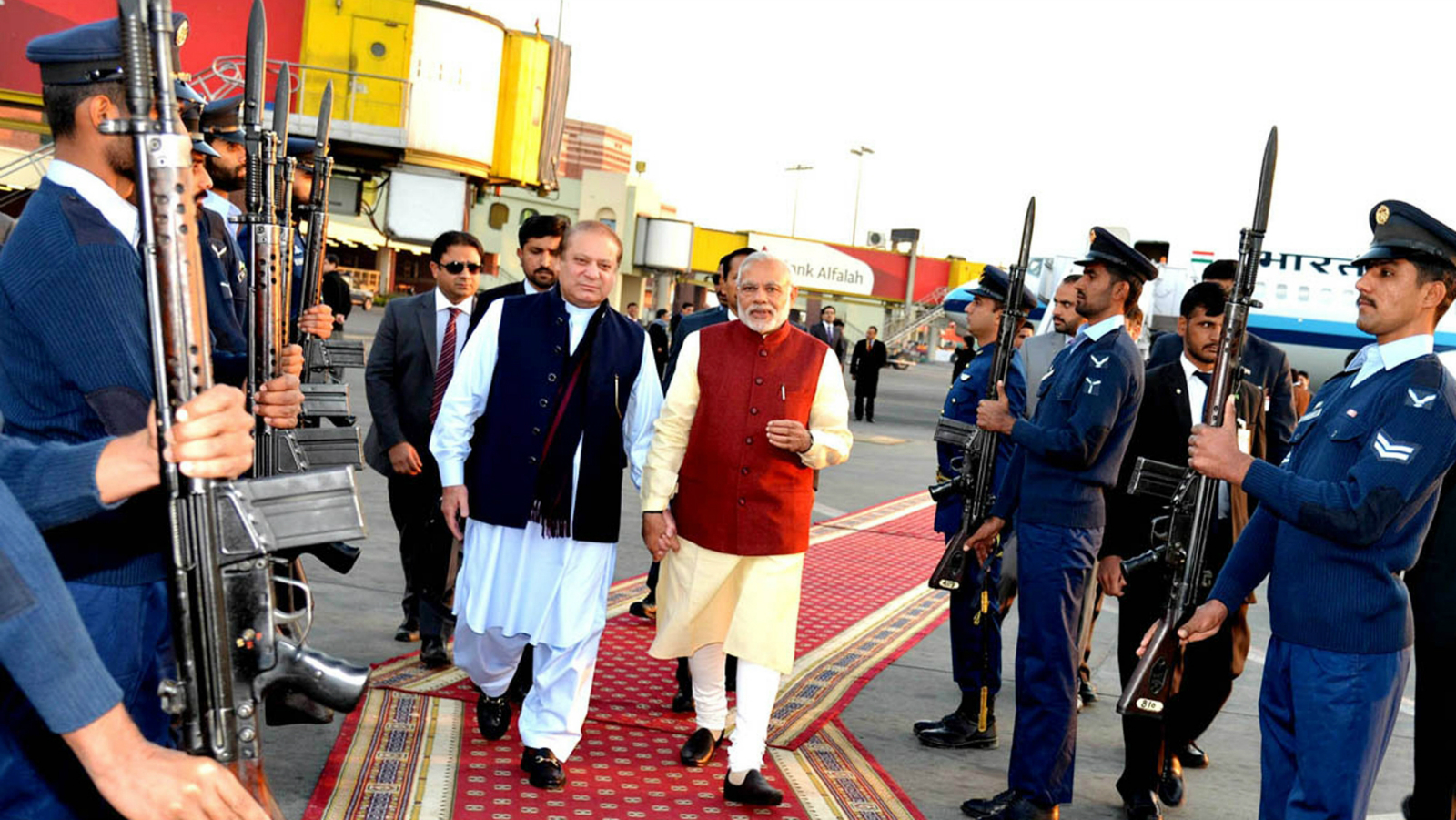
From terror to trade: Eight reasons Pakistanis now want a peace process from Modi and Sharif
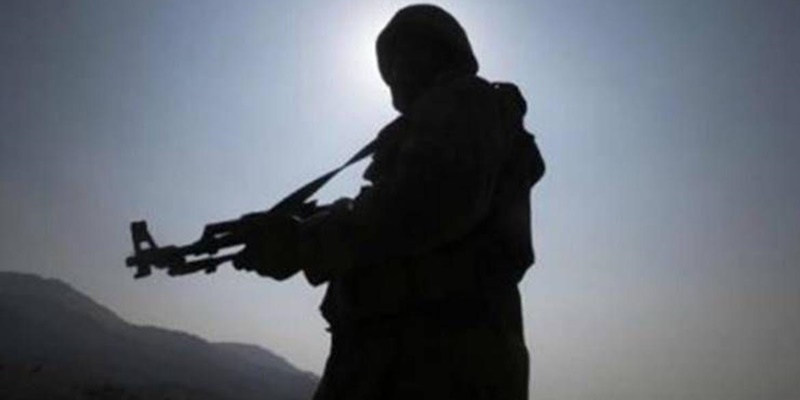
The carefully staged surprise diplomacy by Indian prime minister Narendra…

Peshawar attack: Pakistan’s 9/11 moment?
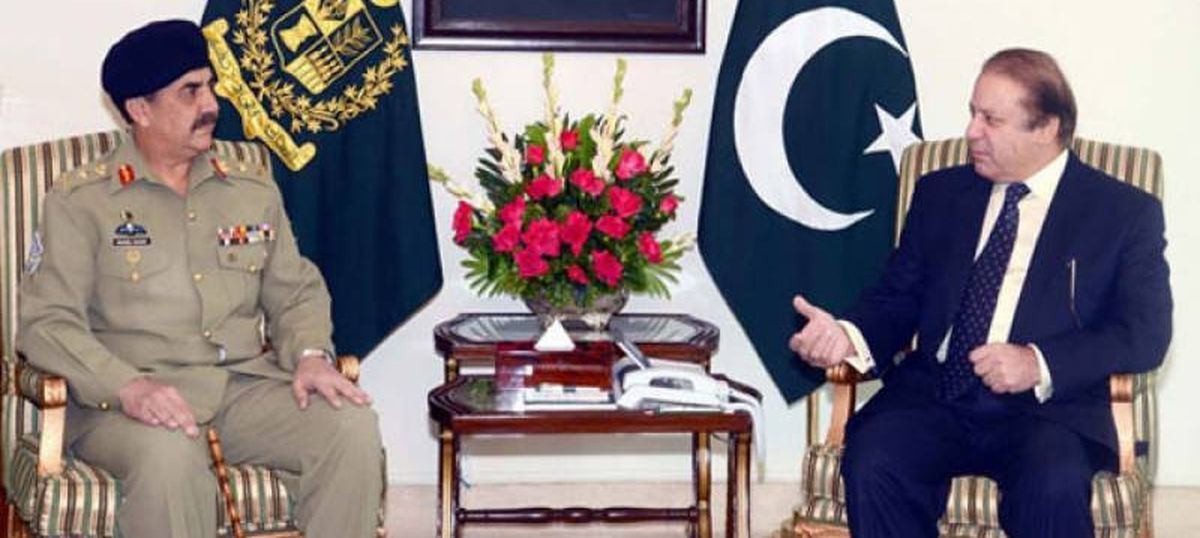
Pakistan faces a challenge largely of its own creation and…

Writing from the Heart

What a Lovely Review on my book “Delhi by Heart”…

Indian gov. avoids dialogue with Pakistan
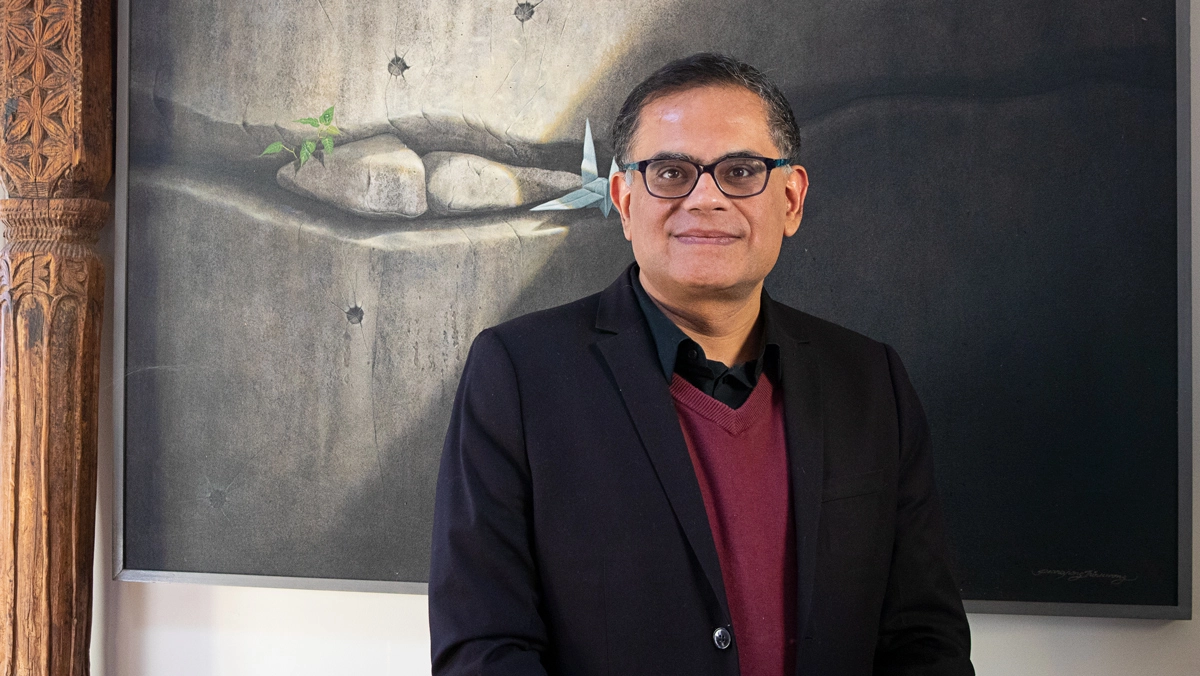
December 3, 2018: Indian gov. avoids dialogue with Pakistan In an…

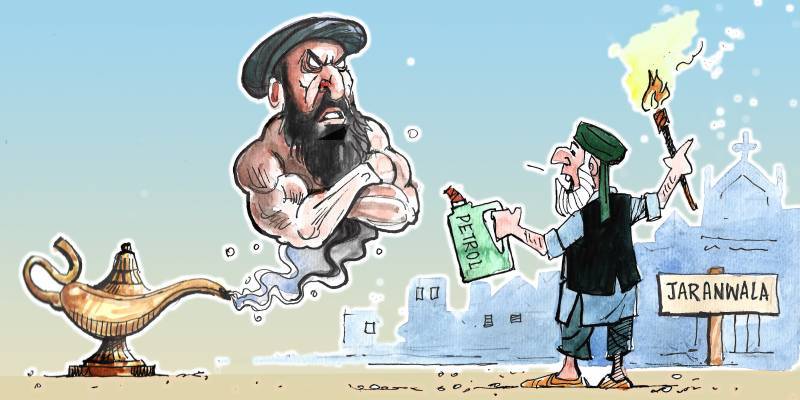
Raza Rumi: They Tried to Silence Me Once and For All
I spoke with Clarion about fighting for freedom of speech…

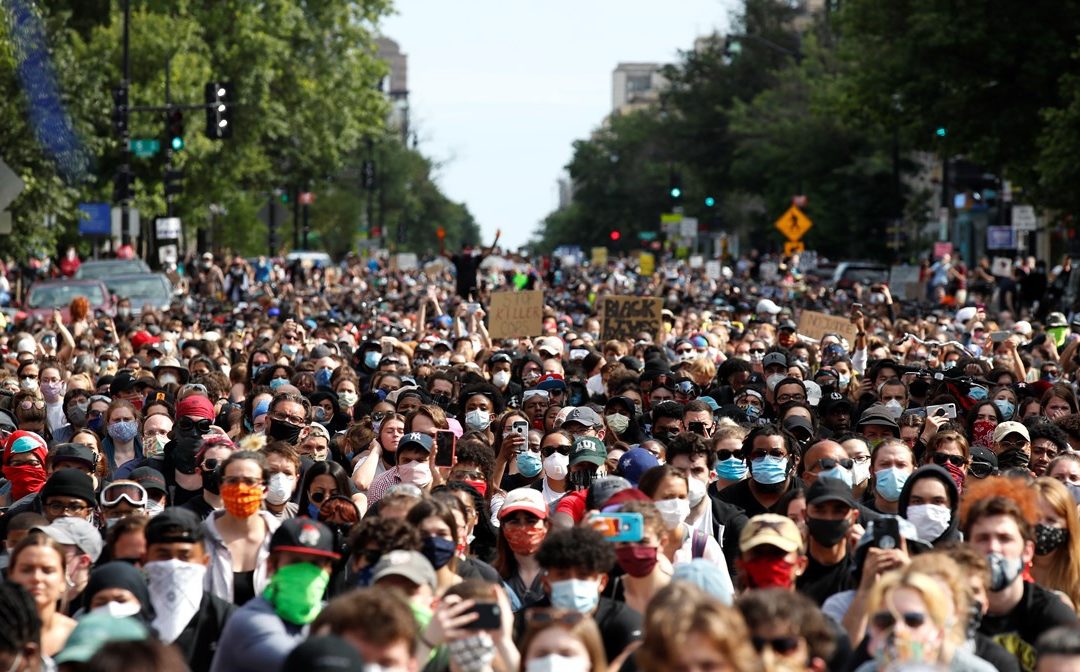
Race, Violence and Injustice: Unpacking the Ongoing Protests
The killing of George Floyd on May 25 triggered a…

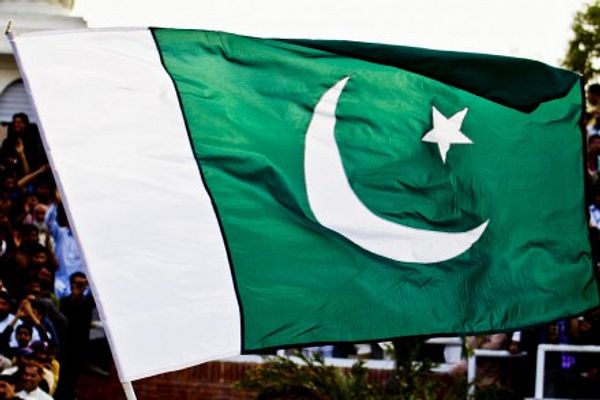
In Pakistan, ‘Blasphemers’ Like Me Receive Militant Justice
Like so many others, I was recently targeted in a…

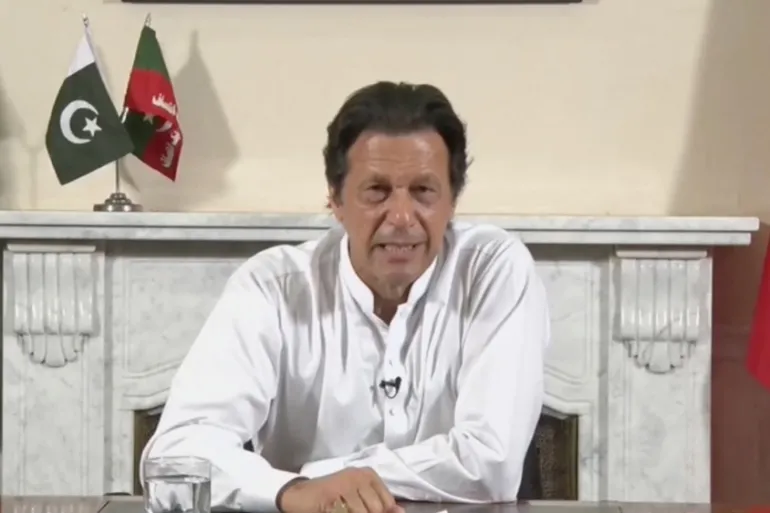
Imran Khan is Pakistan’s new captain. Will he deliver?
Pakistanis on July 25 elected Imran Khan as their new…

Judicial Interventions In Political System Must End

As the Supreme Court of Pakistan (SC) hears a petition…

Global terrorism myth and reality

A new report by the Institute for Economics and Peace,…

Sadia Dehlvi: An Inimitable Friend Indeed
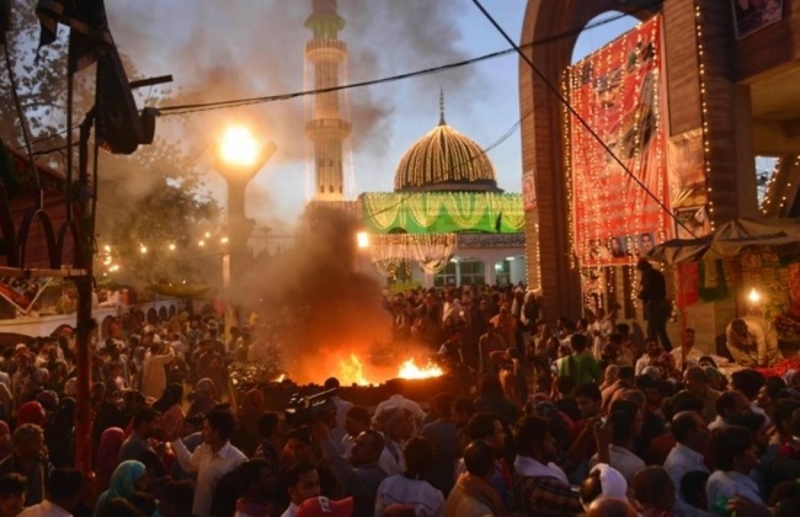
I had never imagined that I would be writing an…

Pakistan’s crumbling institutions

Published in The News (Sunday) Pakistan’s instability is a clichè,…

Islamist protests are a tried and tested way to bring change in government in Pakistan
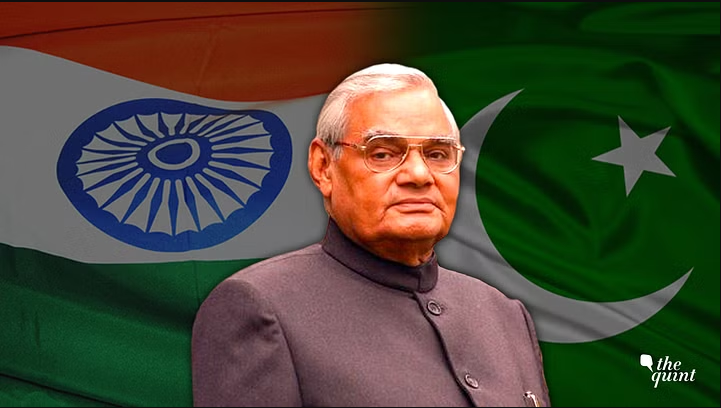
November 26, 2017: Islamist protests are a tried and tested way…

Vajpayee Was a Bridge Between Our Countries: A Pakistani’s Elegy
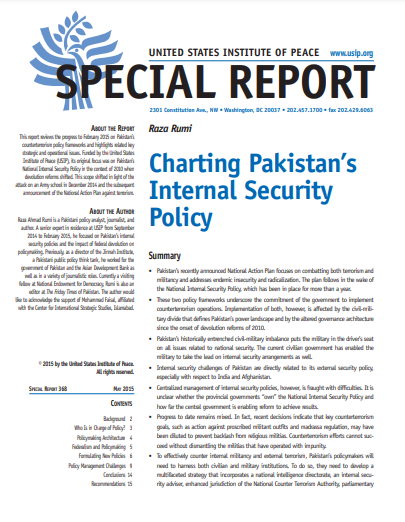
Atal Bihari Vajpayee has been viewed by Indians through all…

Charting Pakistan Internal Security Policy

Pakistan recently announced National Action Plan focuses on combatting both…

Facebook Updates

Cover for Raza Rumi
734,059
Raza Rumi

Raza Rumi

Writer, editor, multimedia journalist, International development practitioner and an educator. More on razarumi.com

3 days ago

Raza Rumi
اصل مینا کماری“بڑی بیچاری ہےمینا کماریجس کو لگی ہےدل کی بیماری”مینا کماری نے بھارتی سینما کی دنیا پر اپنی وفات (1972) تک حکمرانی کی۔ ان کی موت جگر کے عارضے (liver cirrhosis) کے باعث ہوئی۔ مگر ان کے انتقال کے بعد ان کی جو عوامی شبیہ بنی، وہ ایک ایسی تنہا، دکھی عورت کی تھی جو شراب نوشی اور تنہائی کے باعث ختم ہو گئی۔ حقیقت اس سے کہیں زیادہ پیچیدہ ہے۔ مہ جبیں—جو ان کا اصل نام تھا—کی زندگی نہ تو اتنی سادہ تھی اور نہ ہی وہ دقیانوسی خاکہ جس میں ان کے مداح اور ناقد دونوں انہیں قید کر دیتے ہیں۔مجھے اپنے بچپن کے وہ دن یاد ہیں جب ان کی آخری فلم پاکیزہ دوردرشن پر دکھائے جانے والی تھی۔ ایک عجیب سا جوش تھا—ہم سب سرحد پار سے آنے والے (غیر قانونی) ٹی وی سگنلز کے ذریعے اسے دیکھنے کے منتظر تھے۔ یہ ان کے سحر اور کشش کا عالم تھا، اور یقیناً ان کی غیر معمولی خوبصورتی بھی۔ہارپر کولنز نے چند سال پہلے ونود مہتا کی لکھی ہوئی سوانح عمری Meena Kumari: The Classic Biography کو دوبارہ شائع کیا ہے، جو 1970 کی دہائی میں لکھی گئی تھی۔ یہ کتاب ایک بڑی شخصیت اور فنکارہ کا عمدہ تعارف ہے۔ اگرچہ یہ حتمی یا مکمل سوانح نہیں، مگر اس میں ان کی زندگی، کامیابیوں اور مصائب کا خاصا تفصیلی احاطہ موجود ہے۔ خود مہتا لکھتے ہیں کہ جب انہوں نے یہ کتاب لکھی تو وہ ایک جدوجہد کرنے والے اشتہاری مصنف تھے اور “کہیں نہیں جا رہے تھے”۔ کچھ مصنوعی اعتماد کے ساتھ انہوں نے یہ کام قبول کیا اور چند ماہ میں مکمل بھی کر دیا، مگر بعد میں اس پر “شرمندگی” کا اظہار بھی کیا—کیونکہ نہ تو مینا کماری انٹرویوز کے لیے دستیاب تھیں اور نہ ہی دھرمیندر، “وہ شخص جس نے انہیں استعمال کر کے چھوڑ دیا”، نے تفصیلی گفتگو کا موقع دیا۔ اس کے باوجود یہ کتاب اس غیر معمولی فنکارہ کے کئی کم معلوم پہلو سامنے لاتی ہے، جو آج بھی ایک معمہ بنی ہوئی ہیں۔1932 میں پیدا ہونے والی مہ جبیں کے والد علی بخش (جو پنجاب کے شہر بھیرہ سے ہجرت کر کے آئے تھے) اور والدہ اقبال بیگم (ایک بنگالی عیسائی خاتون جنہوں نے شادی کے لیے اسلام قبول کیا) تھے۔ وہ تین بہنوں میں دوسری تھیں۔ صرف چار برس کی عمر میں انہیں فلمی دنیا میں لے جایا گیا تاکہ گھر کی آمدنی میں مدد مل سکے۔ انہوں نے بطور چائلڈ ایکٹر Leather Face سے کام شروع کیا اور جلد ہی ان کی مانگ بڑھ گئی۔ ہیروئن بننا ان کے لیے ایک قدرتی ارتقا تھا۔ آزادی سے پہلے کے دور میں انہوں نے کئی مذہبی فلموں میں ہندو دیویوں کے کردار بھی ادا کیے۔ ونود مہتا لکھتے ہیں کہ ایک سنی مسلمان ہونے کے باوجود، اور ہندو مذہبی متون سے ناواقف ہونے کے باوجود، وہ ان کرداروں میں اس قدر فطری لگتی تھیں کہ لوگ اکثر انہیں ہندو لڑکی سمجھ لیتے تھے۔ 1940 کی دہائی تک وہ ایک فلم کے لیے دس ہزار روپے معاوضہ لینے لگیں—اور یہی مالی خودمختاری انہیں اپنی زندگی کے فیصلے خود کرنے کا حوصلہ دیتی گئی۔مینا کماری کو کتابوں اور تحریر سے گہرا لگاؤ تھا۔ رسمی تعلیم نہ ہونے کے باوجود وہ کئی زبانوں پر عبور رکھتی تھیں اور نہایت شوق سے مطالعہ کرتی تھیں۔ انہوں نے شاعری بھی شروع کر دی تھی اور بعد میں کیفی اعظمی ان کے رہنما بنے۔ یہی ادبی ذوق انہیں گلزار کے قریب لے آیا، جب کہ وہ ابھی کمال امروہی سے شادی شدہ تھیں۔مہتا بیان کرتے ہیں کہ ایک انگریزی رسالہ پڑھتے ہوئے مینا کماری کمال امروہی کی تصویر سے متاثر ہوئیں۔ اس وقت امروہی فلم محل کی کامیابی کے بعد ایک بڑا نام بن چکے تھے۔ حالات نے دونوں کو قریب کیا، اور مینا کے لیے امروہی ایک مثالی شخصیت تھے—پڑھے لکھے، نفیس اور سوچنے والے انسان۔ ان کے درمیان خط و کتابت ہوئی، رات بھر فون پر گفتگو ہوتی رہی، اور یوں ایک ایسا تعلق بنا جس نے دونوں کی نیندیں چھین لیں۔ مینا نے اپنے خاندان کی مخالفت کے باوجود خفیہ طور پر امروہی سے شادی کر لی۔ چونکہ وہ گھر کی سب سے بڑی کمائی کرنے والی تھیں، اس لیے ان کے والد اس شادی کے خلاف تھے۔ مگر مینا نے گھر چھوڑ کر سیدھا امروہی کے گھر جا کر رہنا شروع کر دیا۔ یہ رشتہ ایک دہائی سے زائد عرصے تک قائم رہا۔مگر یہ شادی بھی وہی بن گئی جو اکثر شادیاں بن جاتی ہیں: توقعات، طاقت کے توازن اور شکوک و شبہات کی کشمکش۔ امروہی نے ان پر مختلف پابندیاں عائد کیں—مثلاً کسی مرد کو میک اپ روم میں آنے کی اجازت نہ ہونا، وقت پر گھر واپسی وغیرہ۔ مگر “ہماری ہیروئن” نے ان پابندیوں کو تسلیم کرنے سے انکار کر دیا۔ بالآخر علیحدگی ہوئی—اور وہ بھی ڈرامائی انداز میں۔ امروہی کے ایک معاون کو ان کی نگرانی پر مامور کیا گیا تھا۔ ایک دن مینا نے اسٹوڈیو میں ایک شاعر-ادیب کو اپنے کمرے میں بلا کر کھلے عام محبت کا اظہار کیا تاکہ واضح پیغام دیا جا سکے۔ اس کے بعد وہ کبھی امروہی کے گھر واپس نہ گئیں اور اپنی بہن اور بہنوئی کے ساتھ جا بسیں۔ان کی ذاتی زندگی کے یہ اتار چڑھاؤ ان کی فلمی کامیابیوں کے ساتھ ساتھ چلتے رہے۔ 1960 کی دہائی ان کے کیریئر کا عروج تھی۔ پرینیتا، دل اپنا اور پریت پرائی، صاحب بی بی اور غلام، میں چپ رہوں گی جیسی فلموں نے انہیں اس دور کی بے تاج ملکہ بنا دیا—حتیٰ کہ مدھو بالا اور نرگس جیسی اداکاراؤں سے بھی زیادہ نمایاں۔ وہ تقریباً ہر صنف میں چمکتی رہیں۔صاحب بی بی اور غلام میں “چھوٹی بہو” کا کردار ان کے فن کا نقطۂ عروج تھا۔ ایک ایسی بیوی جو اپنے آوارہ مزاج شوہر کی محبت کے لیے ترستی ہے، اسے خوش کرنے کے لیے شراب نوشی شروع کر دیتی ہے، اور بالآخر ایک المیے کا شکار ہو جاتی ہے۔ اس کردار کے ساتھ مینا کی اپنی زندگی بھی جڑ گئی—اسی دوران انہوں نے معمولی مقدار سے شراب پینا شروع کیا جو بعد میں شدید لت میں بدل گیا۔ گرو دت نے ان کی خوبصورتی اور اداکاری کو جس شدت سے پیش کیا، اس نے اس کردار کو لازوال بنا دیا۔ یہ کردار روایتی “ستی ساوتری” کے تصور سے ہٹ کر تھا اور بدلتے ہوئے سماجی ڈھانچوں کی ایک علامت بھی۔مینا کماری سادگی پسند تھیں۔ انہیں نمود و نمائش اور محفلوں سے بیزاری تھی۔ سفید ساڑی ان کی پہچان بن گئی۔ شبانہ اعظمی نے ایک بار ذکر کیا کہ جب وہ ان سے ملنے گئیں تو ان کے گھر میں ہر چیز سفید نظر آئی۔ شاید یہ “سفید” ان کے اندرونی سکون اور خاموشی کی علامت تھا۔ فلمی دنیا کی مصنوعی خوش اخلاقی انہیں پسند نہ تھی، مگر پھر بھی وہ فلم فیئر ایوارڈز میں اپنی مخصوص سفید ساڑی میں شریک ہوتیں اور اپنی یا فیض کی غزلیں سناتیں۔ انہوں نے چار مرتبہ بہترین اداکارہ کا ایوارڈ جیتا، اور ایک سال ایسا بھی آیا جب تینوں نامزدگیوں میں وہ خود شامل تھیں۔ان کی زندگی میں گاڑیوں کا شوق بھی نمایاں تھا—مرسیڈیز اور پلیموتھ جیسی گاڑیاں ان کے پاس تھیں۔ مگر کمال امروہی سے علیحدگی کے بعد ان کی شراب نوشی اور تعلقات میں شدت آ گئی۔ دھرمیندر کے ساتھ ان کا تعلق خاص طور پر قابل ذکر ہے—جسے انہوں نے نہ صرف موقع دیا بلکہ فلمی دنیا میں رہنمائی بھی فراہم کی۔ مگر دھرمیندر، جو کم عمر اور شادی شدہ تھے، وہ وہ استحکام فراہم نہ کر سکے جس کی مینا کو تلاش تھی۔گلزار کے ساتھ ان کا تعلق زیادہ پراسرار مگر گہرا تھا۔ وہ آخر تک ان کے قریب رہے، حتیٰ کہ اسپتال میں بھی موجود تھے۔ مینا نے اپنی تمام ڈائریاں گلزار کے حوالے کر دیں—جو آج تک مکمل طور پر شائع نہیں ہوئیں۔ یہ ایک بڑا ثقافتی خلا ہے، کیونکہ مینا کماری اب صرف ایک فرد نہیں بلکہ برصغیر کی مشترکہ ادبی و ثقافتی وراثت کا حصہ ہیں۔پاکیزہ—جس کی تکمیل میں 14 سال لگے—ان کی زندگی کا آخری بڑا سنگ میل تھا۔ شدید علالت کے باوجود انہوں نے فلم مکمل کی۔ ابتدا میں اسے زیادہ پذیرائی نہیں ملی، مگر ان کی وفات کے بعد یہی فلم ان کے مداحوں کے لیے خراجِ عقیدت بن گئی۔ اس نے ان کی وہی عوامی شبیہ مستحکم کر دی—گہرا دکھ، انتظار، اور آنکھوں میں چھپی ہوئی شاعری۔مگر انہیں محض ایک “المیہ زدہ” عورت کے طور پر دیکھنا ناانصافی ہے۔ ونود مہتا خود لکھتے ہیں کہ ایسی شخصیت پر کتاب لکھنا ایک “جرأت مندانہ—اور شاید احمقانہ—کام” ہے۔ اس کتاب کے اختتام پر یہ واضح ہو جاتا ہے کہ مینا کماری نے اپنی زندگی کے فیصلے خود کیے اور ان کی قیمت بھی ادا کی۔ مگر وہ ایک غیر معمولی ذہین، تخلیقی اور حساس عورت تھیں—جن کی شاعری اور فکری دنیا الگ توجہ کی مستحق ہے۔میں وعدہ کرتا ہوں کہ ان کی شاعری پر الگ سے لکھوں گا—جیسے ہی انارکلی لاہور کی پرانی کتابوں کی دکانوں سے خریدے گئے مجموعے دوبارہ ہاتھ لگیں۔آخر میں ونود مہتا کی وہ سادہ مگر گہری سطر:“کاش میں تمہیں جانتا ہوتا۔”(یہ مضمون کئی سال پہلے انگریزی میں تحریر کیا تھا اور فرائڈے ٹائمز میں چھپا تھا) ... See MoreSee Less
View on Facebook

3 days ago

Raza Rumi
No one can beat Pakistanis when it comes to memes (and having a laugh even in dire times)#StraitOfHormuz ... See MoreSee Less
View on Facebook

5 days ago

Raza Rumi
وہ کبھی مل جائیں تو کیا کیجئےرات دن صورت کو دیکھا کیجئےچاندنی راتوں میں اک اک پھول کوبے خودی کہتی ہے سجدہ کیجئےجو تمنا بر نہ آئے عمر بھرعمر بھر اس کی تمنا کیجئےعشق کی رنگینیوں میں ڈوب کرچاندنی راتوں میں رویا کیجئےپوچھ بیٹھے ہیں ہمارا حال وہبے خودی تو ہی بتا کیا کیجئےہم ہی اس کے عشق کے قابل نہ تھےکیوں کسی ظالم کا شکوہ کیجئےآپ ہی نے درد دل بخشا ہمیںآپ ہی اس کا مداوا کیجئےکہتے ہیں اخترؔ وہ سن کر میرے شعراس طرح ہم کو نہ رسوا کیجئےاختر شیرانی ... See MoreSee Less
View on Facebook

POLICY & DEVELOPMENT PUBLICATIONS

All Publications

Digital Media Projects

The Edge

The Edge

Website
theedge

The Edge is a digital magazine that was launched in 2021 to create a space for commentaries and reporting that challenge the mainstream media narratives and engage journalists, students and communities in conversations important for the United States and the world.
Ideas + Futures

Ideas and Futures

Website
if

Ideas and Futures is an interdisciplinary platform with a focus on re-imagining our societies beyond the pandemic. Its website showcases scholarly reflections, art, literary essays and expressions, cultural, social and political commentaries and analyses for international and U.S. based audiences.
The Friday Times

The Friday Times

Website
tft

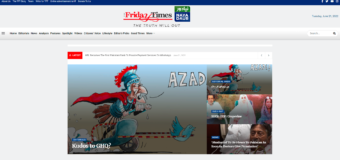
The Friday Times is Pakistan’s first independent weekly, founded in 1989. In 2021, the publication went into collaboration with digital news platform Naya Daur Media to publish under a daily cycle.
NayaDaur Media

NayaDaur Media

Website
nayadaur

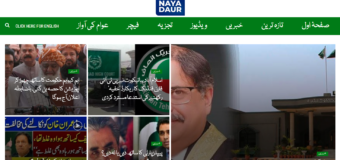
Naya Daur Media (NDM) is a bi-lingual, progressive and public-funded digital media platform aiming to inform and educate Pakistanis at home and abroad. It attempts to amplify citizen voices and provide a platform to bloggers, v-loggers and reporters so that citizen journalism turns into a responsible and constructive branch of the country’s media environment.
Pak Tea House Blog

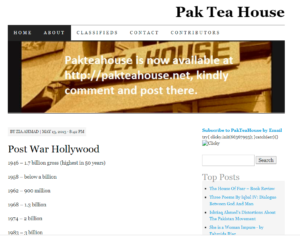
Pak Tea House

Website
Lahore Nama

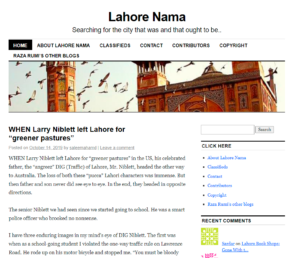
Lahore Nama l

Website

Raza Rumi's Video Channel