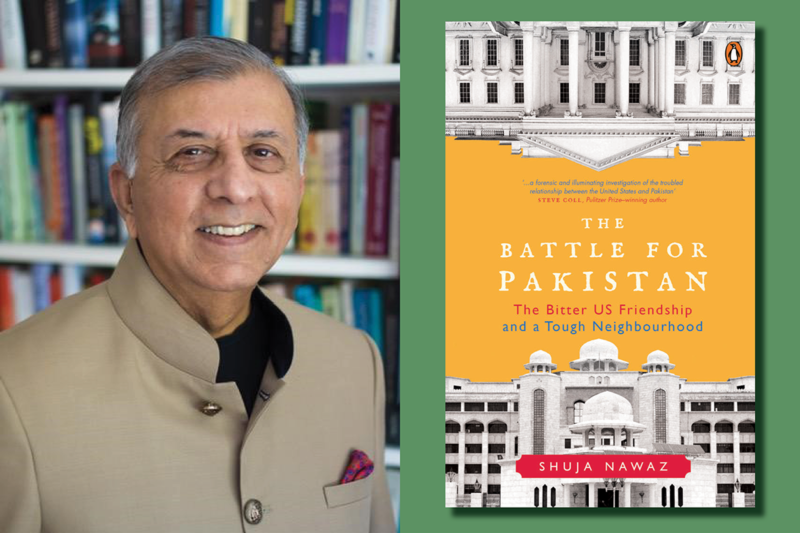
“Raza Rumi represents the intellect that defies identity and its lethal politics in the company of a few great classical minds that Pakistan is straining to forget. The mystic best represents his kind of political analyst: honest and non-partisan and therefore the target of the obscurantist. Being Pakistani enables us to understand cultural anxieties in a non-challenging, persuasive manner.”

Khaled Ahmed, Consulting editor, Newsweek Pakistan; Columnist

LATEST BOOK

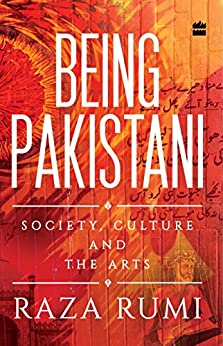
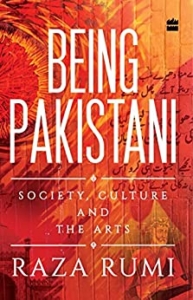
Being Pakistani

Society, Culture and the Arts

How different is Pakistan’s culture from that of India? Exploring various aspects of the arts, literature and heritage of Pakistan, Raza Rumi argues that culture in Pakistan is not particularly unique to the nation, but rather a part of the cultural identities shared by South Asians. From the songs of Kabir and the ballads of Bulleh Shah to the cult of the feminine in the Sindh region, Rumi takes a kaleidoscopic view of the deep-set cultural mores that tie India and Pakistan together. Going further, he examines aspects of the visual arts, poetry, music and literature of Pakistan that impact global cultural narratives. Finally, he introduces readers to contemporary Pakistani writers and artists and the milieu in which they express their creativity, giving us a fascinating glimpse into cultural productions in Pakistan today. Being Pakistani is a riveting account of artistic traditions and their significance in present-day Pakistan, presenting an alternative view of the country, beyond the usual headlines that focus on political instability and terrorism.

ABOUT RAZA RUMI
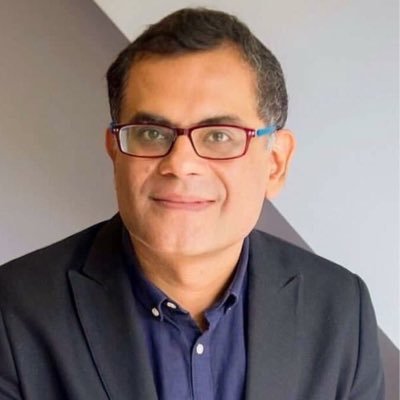
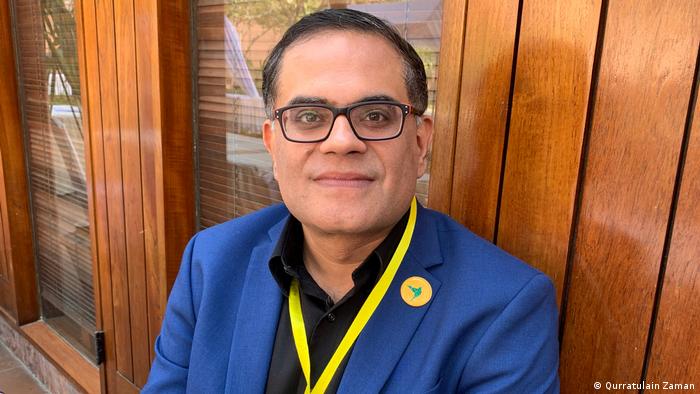
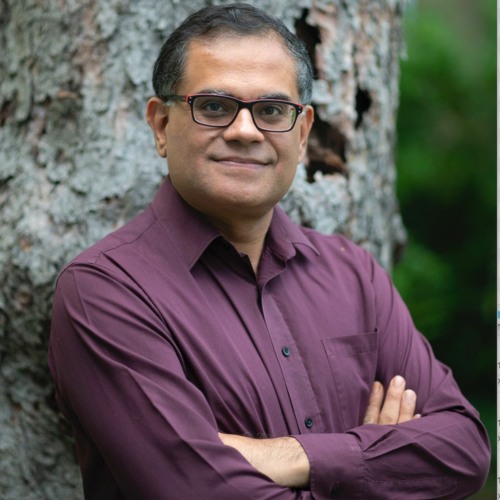
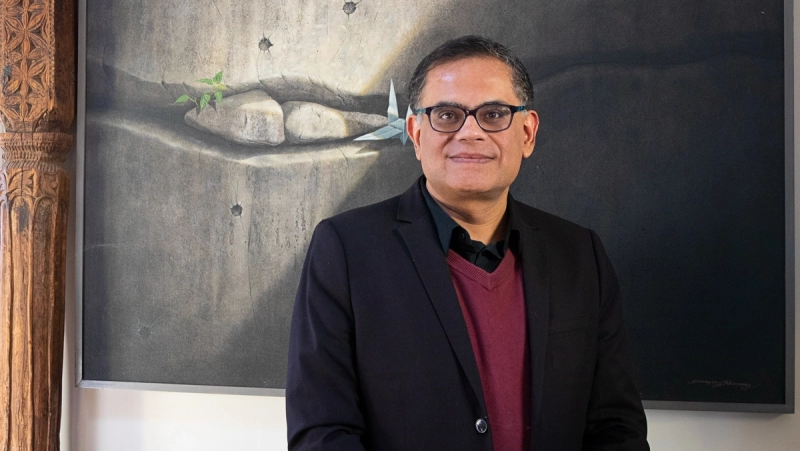
Raza Ahmad Rumi is a writer, public policy specialist, editor and instructor. Currently, he is a Distinguished Lecturer at City University of New York and a faculty member at Brooks School of Public Policy, Cornell University. During 2015-2023, he served as the Director at Park Center for Independent Media, Ithaca College where he also taught in Journalism and Writing Departments. He is also the editor of The Friday Times, NayaDaur Media and New Wave History. Raza has been a broadcaster on TV and prior to his media work, he was a staff member of Asian Development Bank, officer of Administrative Service of the Government of Pakistan and the United Nations.

Featured Articles
From Conflict to Clout? Pakistan’s Geopolitical Manoeuvring After Operation Sindoor
The May 2025 India-Pakistan military confrontation, triggered by Operation Sindoor, has unexpectedly bolstered Pakistan’s strategic position rather than weakening it. While India miscalculated Islamabad’s…

Pakistan’s Global Moment: Mediation in the Iran War, Driven by Necessity
Few expected Pakistan to succeed in shaping the April 8 ceasefire announcement, which has, for now, slowed the momentum of conflict in West Asia.…

State Control, Corporate Interests, and Media Independence in Pakistan

During the past two decades, the media sector in Pakistan has grown immensely in terms of scale and influence. With the deregulation policy and…
All Featured Articles
Tweets
Twitter feed is not available at the moment.

Books

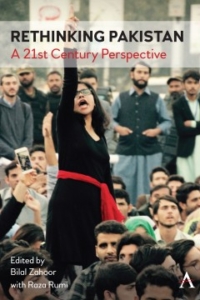
Rethinking Pakistan

A 21st Century Perspective Rethinking Pakistan brings together some of the best minds of the country and invites them to reflect upon the most…

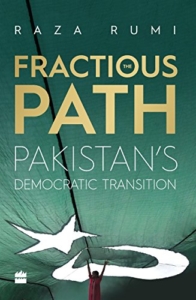
The Fractious Path: Pakistan’s Democratic Transition
Since its creation in 1947, Pakistan has oscillated between weak democratic governments and brutal military dictatorships, the latter ruling for about half its existence.…

Being Pakistani: Society, Culture and the Arts

How different is Pakistan’s culture from that of India? Exploring various aspects of the arts, literature and heritage of Pakistan, Raza Rumi argues that…

Identity, Faith and Conflict: Essays on Pakistan and Beyond 
As a journalist and media commentator, Raza Rumi publishes with frequency, responding to continuing troubling events in South Asia. As a policy analyst, he…

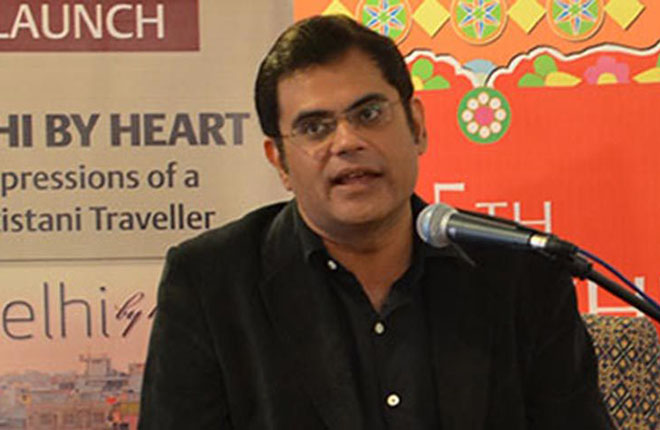
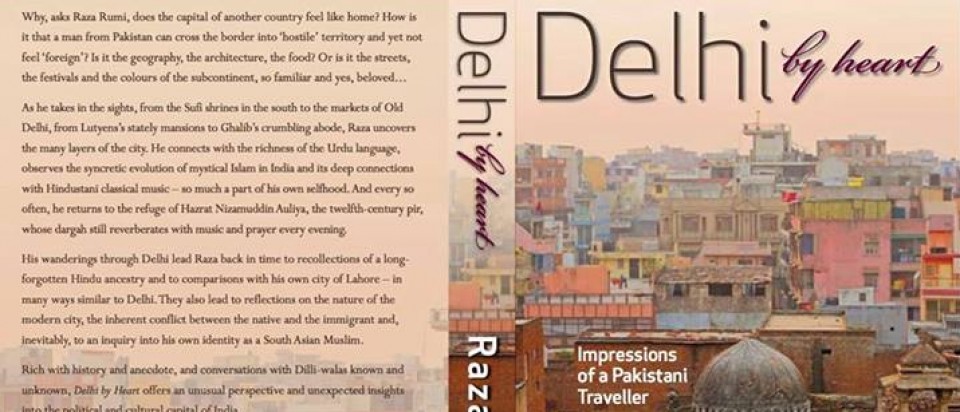
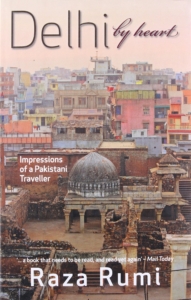
Delhi By Heart: Impressions of a Pakistani Traveller

Why, asks Raza Rumi, does the capital of another country feel like home? How is it that a man from Pakistan can cross the…

Journalism

Sabeen Mehmud: A voice of reason, pluralism and secularism
I have been quoted on different stories published on the…

Be mature guys; there’s a lot at stake in India, Pak
  The much-hyped talks between the National Security Advisers of…

Suicide Bomber Strikes Pakistan Election as Christians There Fear Rise of Islamic Militancy
July 24, 2018: Suicide Bomber Strikes Pakistan Election as Christians There…

Media in the Cross Hairs: Militants continue to Target Journalists in Pakistan
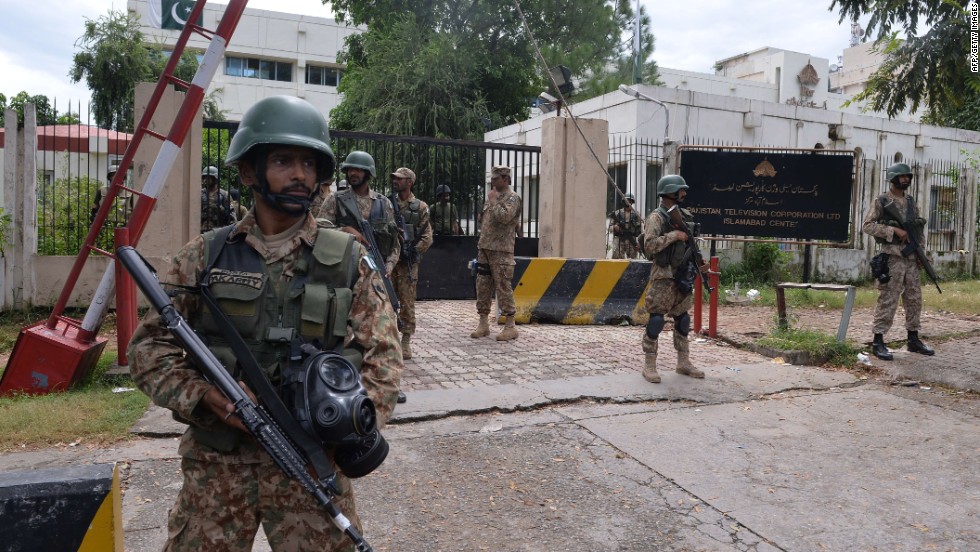
Despite the commitments of the Pakistan government to protect journalists,…

Pakistan’s perilous democratic transition
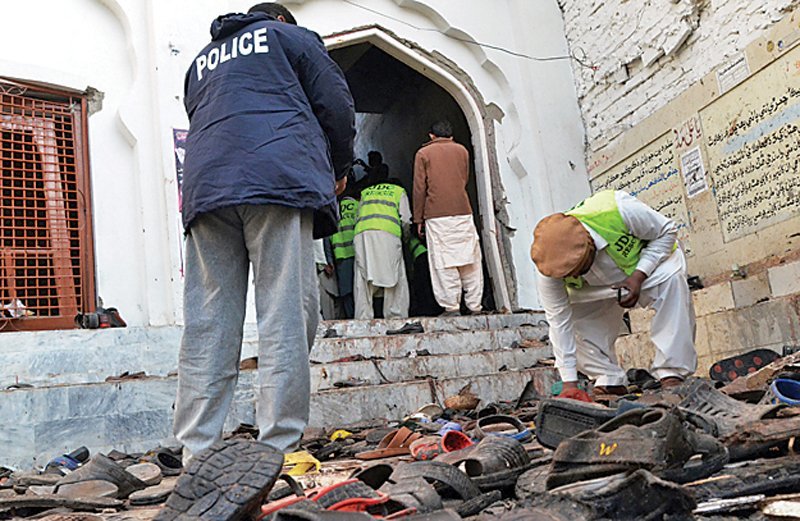
  Pakistan’s perilous democratic transition has been rocked by the…

Militancy in Sindh: End of our plural culture?
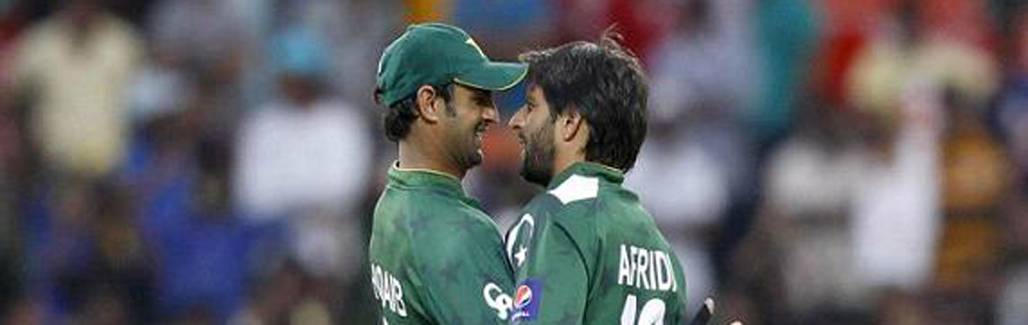
The recent carnage in Shikarpur has come as a shock…

Sticky wicket: Why cricket is a lot like sex
Something primal and deep is at work. And could be…

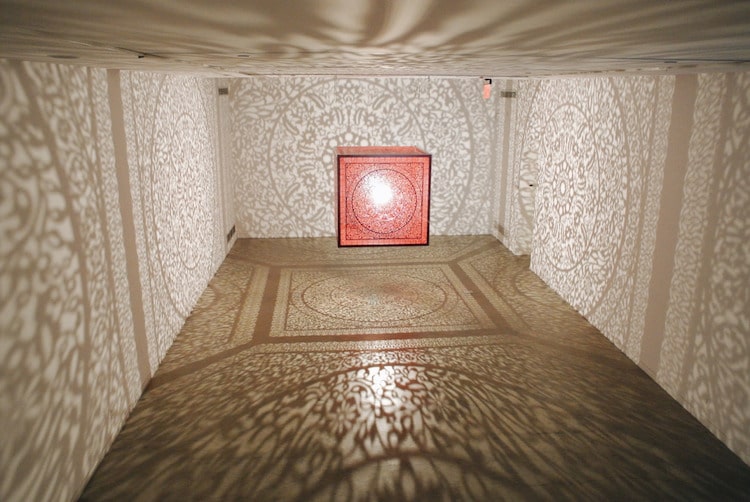
The personal is political

January 22, 2017: The personal is political (Dawn) Pakistani American artist…

The trajectory of peace

By Raza Rumi The dramatic events of the past few…

A twist in the tale

My Interview conducted by Abdullah Khan for Earthen Lamp Journal:…

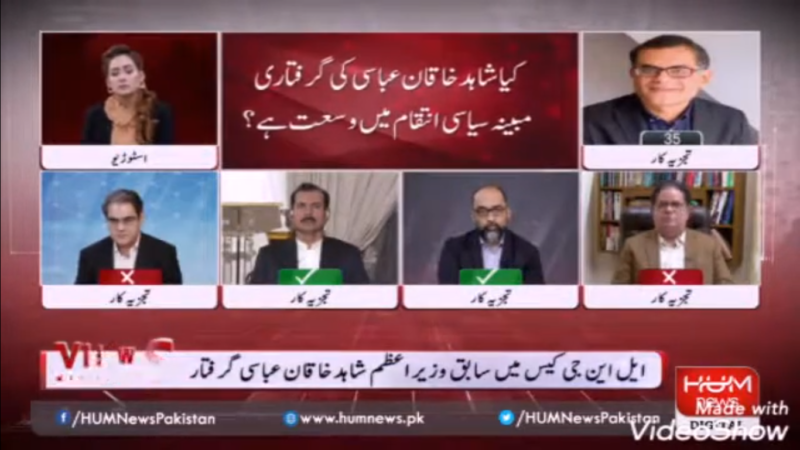
کیا شاہد خاقان عباسی کی گرفتاری مبینہ سیاسی انتقام میں وسعت ہے؟
سابق وزیراعظم شاہد خاقان عباسی کی گرفتاری پر میرا تجزیہ۔…

The Right to Dissent

(The year 2011 will be celebrated worldwide as the centenary…

Delhi and Lahore – globalised fads and trends
This piece of mine appeared in the Hindustan Times yesterday.…

A Young Pakistani Physicist Who Loves Nuclear Reactors
Last week, I was in Dallas, Texas to speak on…

Pakistan: Judiciary and Politics

September 30, 2018: Pakistan: Judiciary and Politics Pakistan’s judges have…

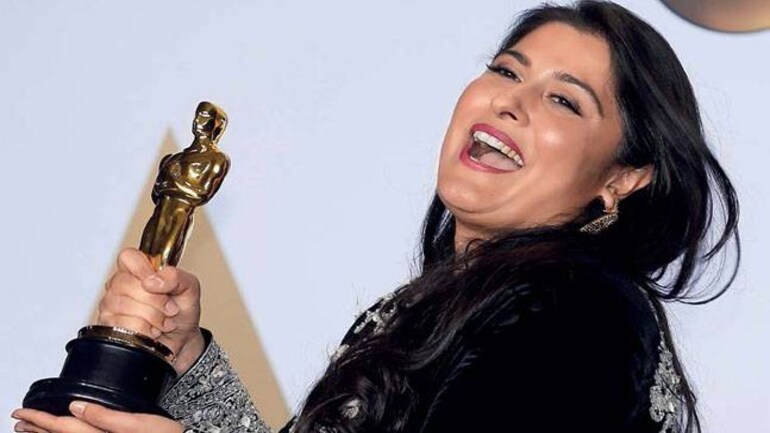
Sharmeen Obaid Chinoy’s, Badge of honour
Sharmeen Obaid-Chinoy’s Badge of honour incisive documentary helps reignite the…

The new Bhutto

My piece published in Express India In his first political…

Another Pakistani Journalist Threatened. Will the State Protect Him?
June 10, 2017: Another Pakistani Journalist Threatened. Will the State…

Be Global Citizens: My Advice to Public Affairs Students at Cornell Commencement
August 1, 2017: Be Global Citizens: My Advice to Public Affairs…

حج 2019: دنیا بھر سے مسلمان مقدس سرزمین پر پہنچ گئے

حجاج کرام میں اس برس کتنا اضافہ ہوا؟ سب سے…

Afghanistan: no cooperation, no stability
This is a shorter version of a brief which was…

Reclaiming One Voice

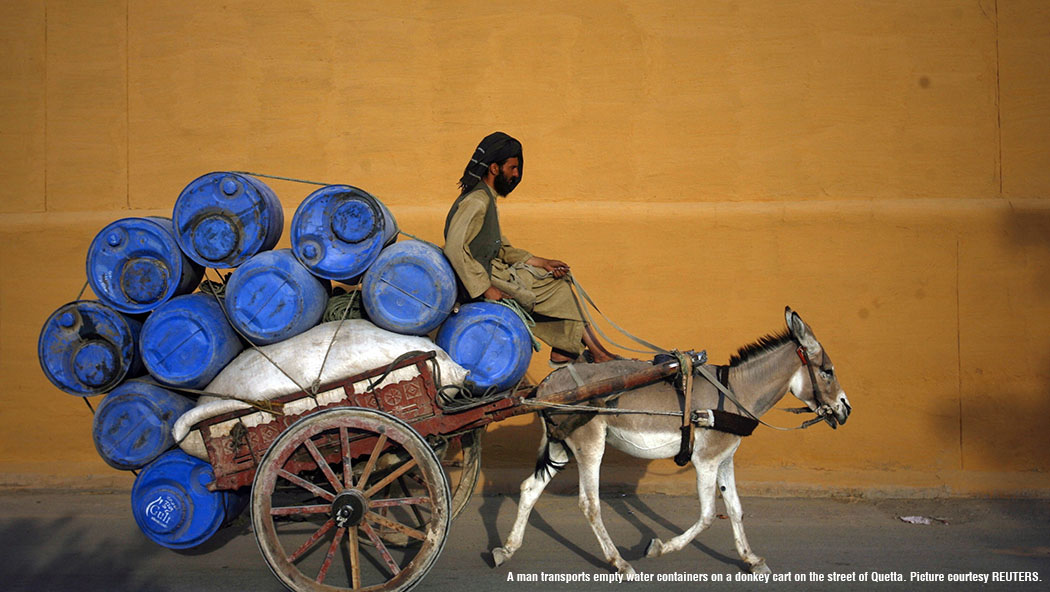
A man transports empty water containers on a donkey cart…

International Newsletter ‘The Story’ Gives Naya Daur A Warm Shoutout

Laxmi Murthi writes about the new space in Pakistani journalism…

When Will COVID Vaccine Arrive In Pakistan?
Lately with each passing day, the debate on procurement of…

Bring Pakistan’s Missing Bloggers Home
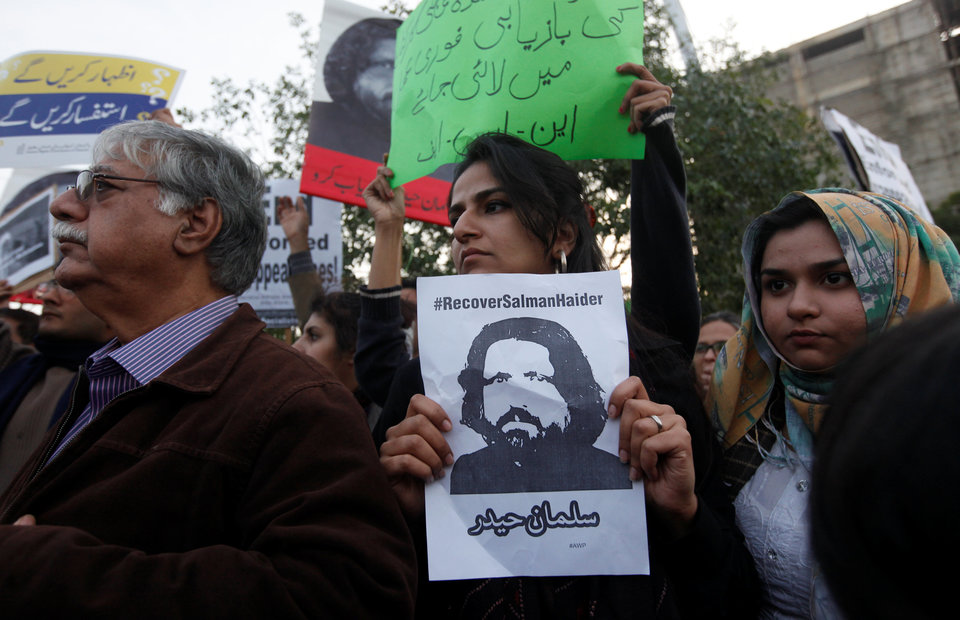
An activist holding an image of Salman Haider during a…

The Big Question: Is Print Media on its Way to Becoming Obsolete?
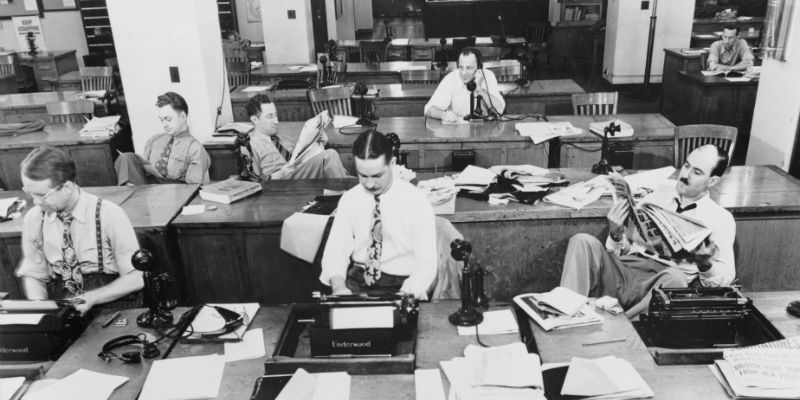
August 2017: The Big Question: Is Print Media on its Way…

Previewing Pakistan’s Election

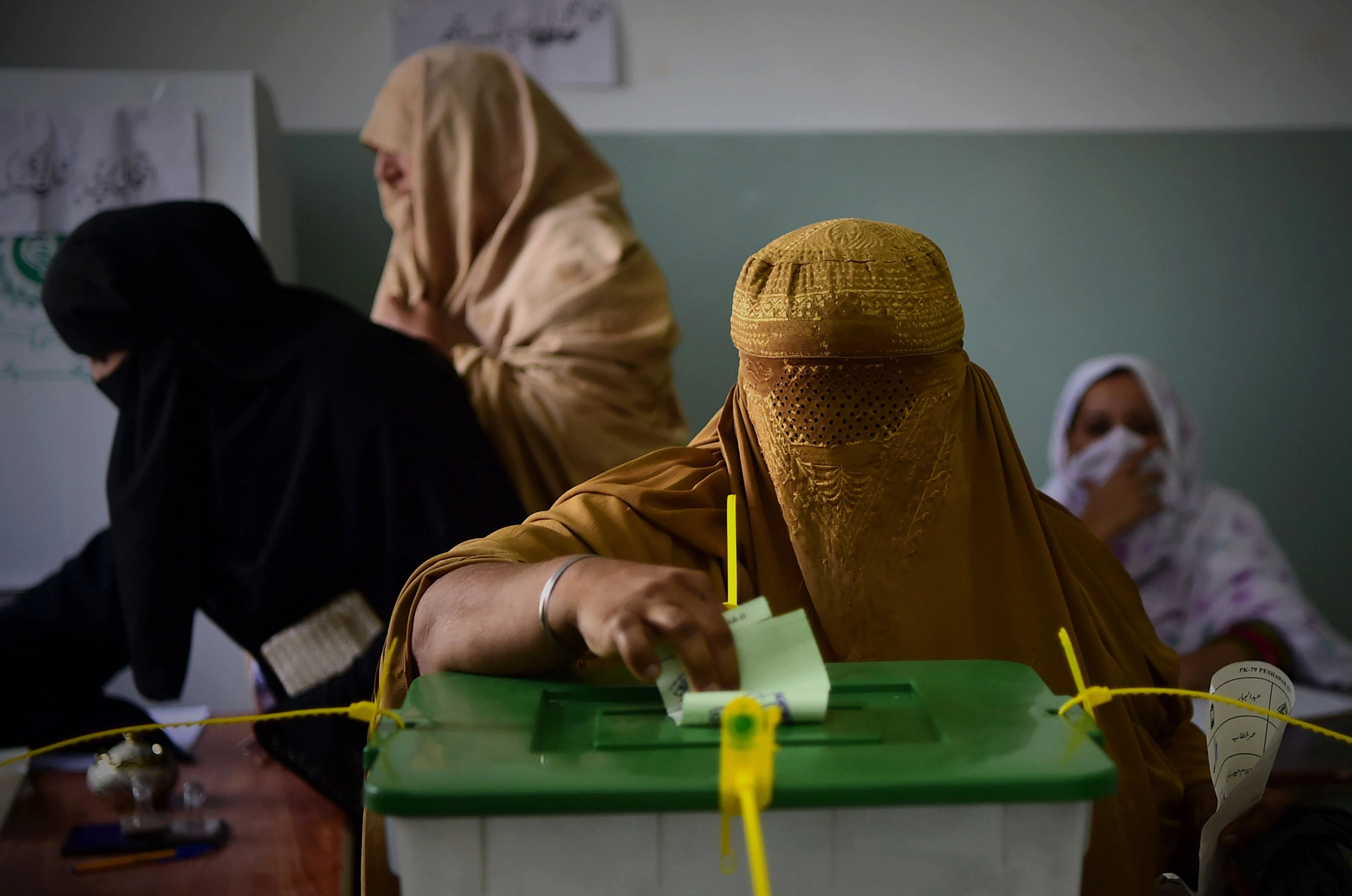
July 19, 2018: Previewing Pakistan’s Election NOEL KING, HOST: It is…

The Fall of Nawaz Sharif

04 August 2017: The Fall of Nawaz Sharif, Open Magazine.…

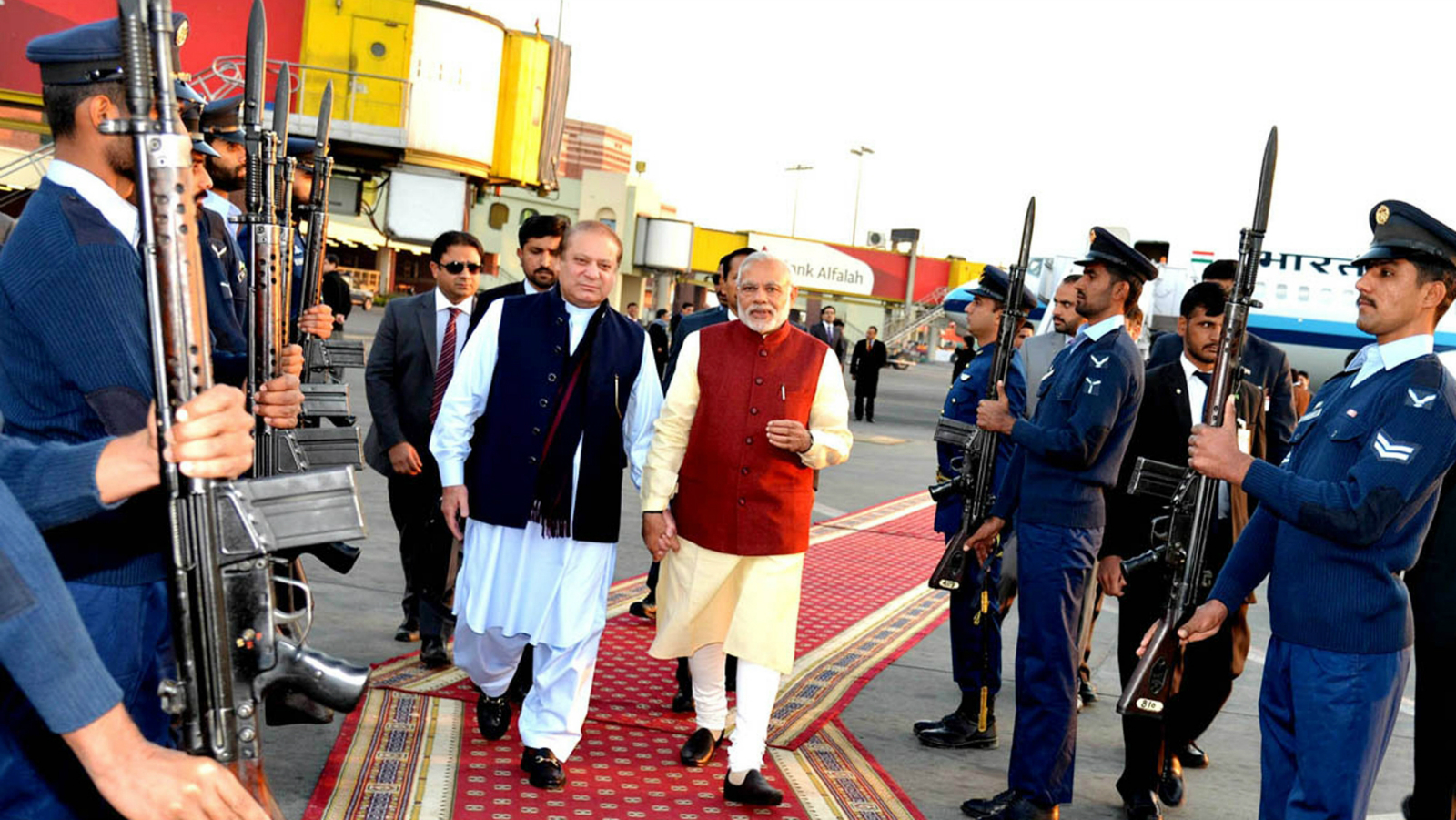
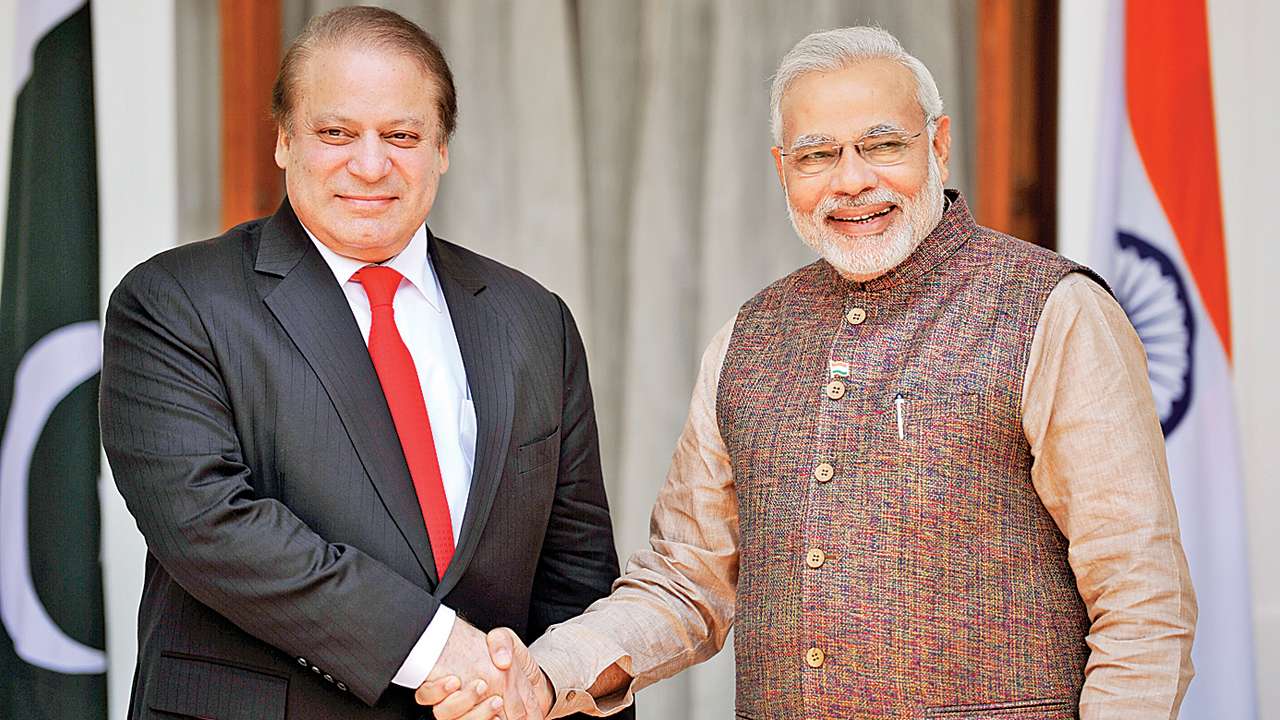
From terror to trade: Eight reasons Pakistanis now want a peace process from Modi and Sharif
The carefully staged surprise diplomacy by Indian prime minister Narendra…

Peshawar attack: Pakistan’s 9/11 moment?
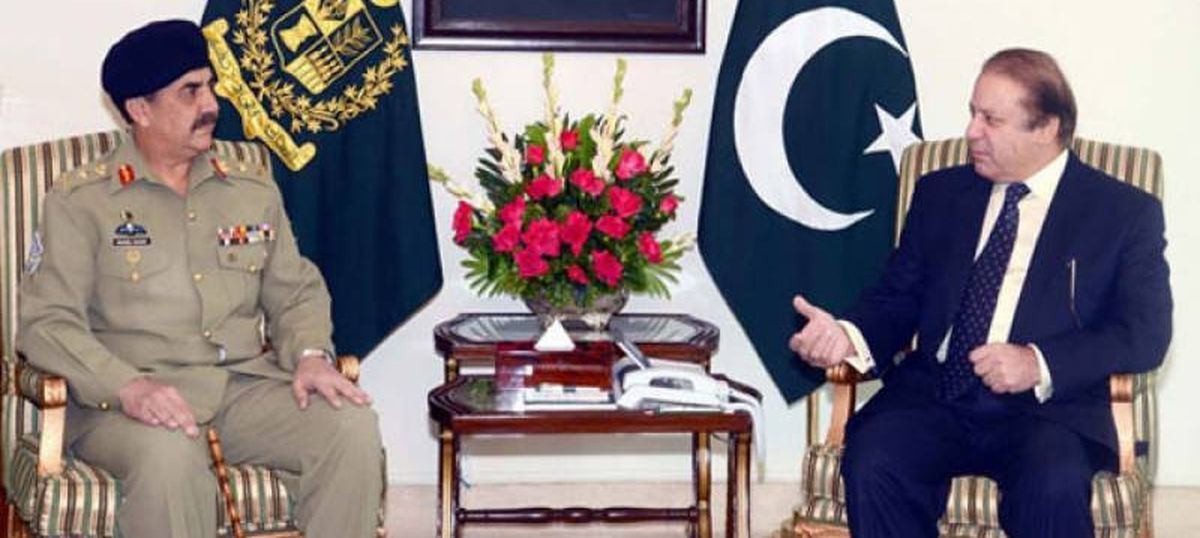
Pakistan faces a challenge largely of its own creation and…

Writing from the Heart

What a Lovely Review on my book “Delhi by Heart”…

Indian gov. avoids dialogue with Pakistan
December 3, 2018: Indian gov. avoids dialogue with Pakistan In an…

Raza Rumi: They Tried to Silence Me Once and For All
I spoke with Clarion about fighting for freedom of speech…

Race, Violence and Injustice: Unpacking the Ongoing Protests
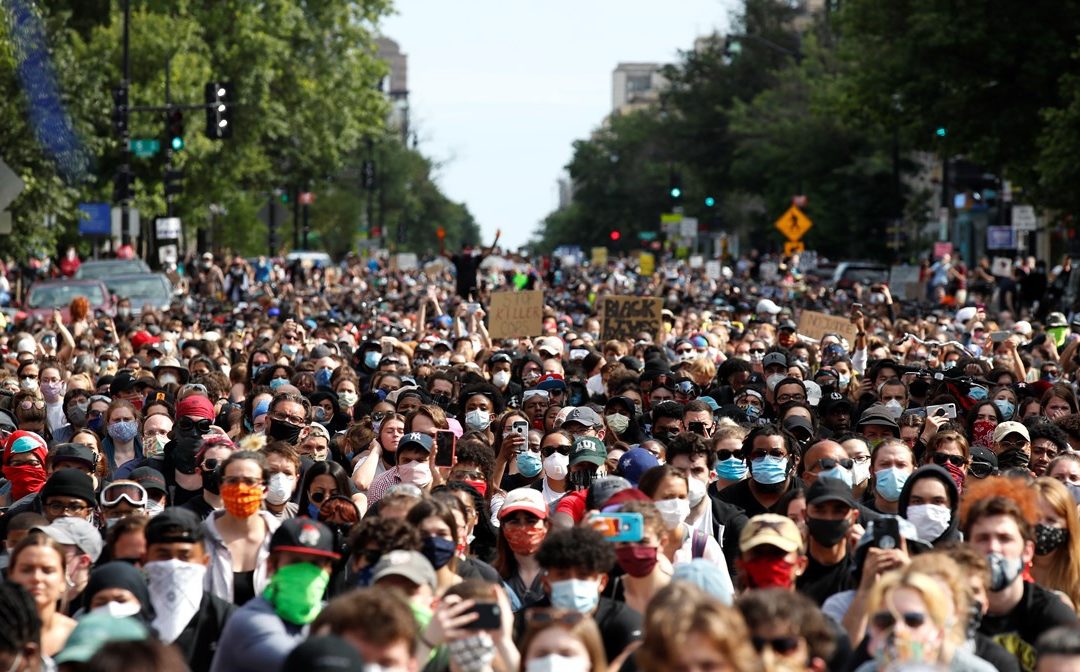
The killing of George Floyd on May 25 triggered a…

In Pakistan, ‘Blasphemers’ Like Me Receive Militant Justice
Like so many others, I was recently targeted in a…

Imran Khan is Pakistan’s new captain. Will he deliver?
Pakistanis on July 25 elected Imran Khan as their new…

A Coup That Failed

As the flames of the May 9 arson dissipate, it…

Global terrorism myth and reality

A new report by the Institute for Economics and Peace,…

Sadia Dehlvi: An Inimitable Friend Indeed
I had never imagined that I would be writing an…

Pakistan’s crumbling institutions

Published in The News (Sunday) Pakistan’s instability is a clichè,…

Islamist protests are a tried and tested way to bring change in government in Pakistan
November 26, 2017: Islamist protests are a tried and tested way…

Vajpayee Was a Bridge Between Our Countries: A Pakistani’s Elegy
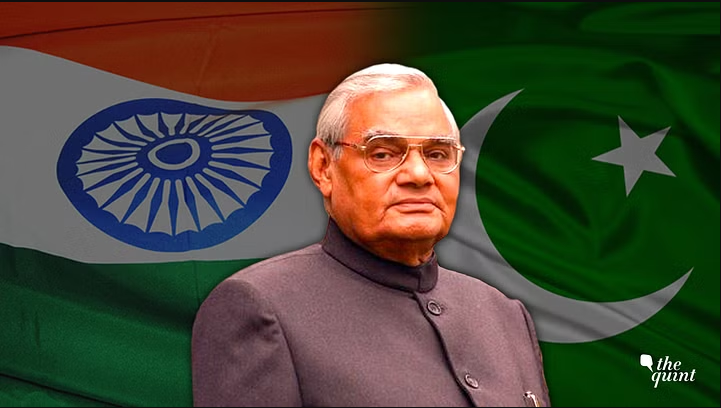
Atal Bihari Vajpayee has been viewed by Indians through all…

Charting Pakistan Internal Security Policy

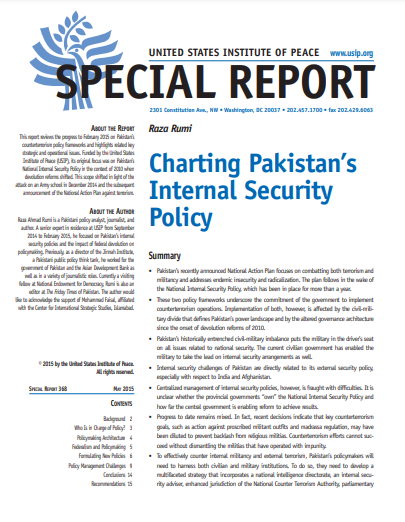
Pakistan recently announced National Action Plan focuses on combatting both…

Facebook Updates

Cover for Raza Rumi
732,723
Raza Rumi

Raza Rumi

Writer, editor, multimedia journalist, International development practitioner and an educator. More on razarumi.com

24 hours ago

Raza Rumi
ساحر لدھیانوی اور جاوید اختر کی کہانی — دو سو روپے کا قرضایک دور تھا جب جاوید اختر کے دن بہت مشکل میں گزر رہے تھے۔ ایسے میں انہوں نے ساحر لدھیانوی سے مدد لینے کا فیصلہ کیا۔ فون کیا، وقت لیا اور ان سے ملاقات کے لیے پہنچ گئے۔اس دن ساحر نے جاوید کے چہرے پر اداسی دیکھی اور کہا، "آؤ نوجوان، کیا حال ہے، اداس ہو؟"جاوید نے بتایا کہ دن مشکل چل رہے ہیں، پیسے ختم ہونے والے ہیں۔ انہوں نے ساحر سے کہا کہ اگر وہ انہیں کہیں کام دلا دیں تو بہت احسان ہوگا۔جاوید اختر بتاتے ہیں کہ ساحر صاحب کی ایک عجیب عادت تھی، وہ جب پریشان ہوتے تھے تو پینٹ کی پچھلی جیب سے ایک چھوٹی سی کنگھی نکال کر بالوں پر پھیرنے لگتے تھے۔ جب ذہن میں کچھ الجھا ہوتا تھا تو بال سلجھانے لگتے تھے۔ اس وقت بھی انہوں نے وہی کیا۔ کچھ دیر تک سوچتے رہے، پھر اپنے اسی جانے پہچانے انداز میں بولے، "ضرور نوجوان، فقیر دیکھے گا کیا کر سکتا ہے۔"پھر پاس رکھی میز کی طرف اشارہ کر کے کہا، "ہم نے بھی برے دن دیکھے ہیں نوجوان، فی الحال یہ لے لو، دیکھتے ہیں کیا ہو سکتا ہے۔" جاوید اختر نے دیکھا تو میز پر دو سو روپے رکھے ہوئے تھے۔"وہ چاہتے تو پیسے میرے ہاتھ پر بھی رکھ سکتے تھے، لیکن یہ اس آدمی کی حساسیت تھی کہ اسے لگا کہ کہیں مجھے برا نہ لگ جائے۔ یہ اس شخص کا معیار تھا کہ پیسے دیتے وقت بھی وہ مجھ سے نظر نہیں ملا رہا تھا۔"ساحر کے ساتھ اب ان کا اٹھنا بیٹھنا بڑھ گیا تھا کیونکہ ترشول، دیوار اور کالا پتھر جیسی فلموں میں کہانی سلیم-جاوید کی تھی اور گانے ساحر صاحب کے۔ اکثر وہ لوگ ساتھ بیٹھتے اور کہانی، گانوں، ڈائیلاگز وغیرہ پر گفتگو کرتے۔ اس دوران جاوید اکثر شرارت میں ساحر سے کہتے، "ساحر صاحب! آپ کے وہ دو سو روپے میرے پاس ہیں، دے بھی سکتا ہوں لیکن دوں گا نہیں۔" ساحر مسکراتے۔ ساتھ بیٹھے لوگ جب ان سے پوچھتے کہ کون سے دو سو روپے، تو ساحر کہتے، "انہی سے پوچھیے۔" یہ سلسلہ طویل عرصے تک چلتا رہا۔ساحر اور جاوید اختر کی ملاقاتیں ہوتی رہیں، ادبی محفلیں جمتی رہیں، وقت گزرتا رہا۔اور پھر ایک طویل عرصے کے بعد تاریخ آئی 25 اکتوبر 1980 کی۔ وہ دیر شام کا وقت تھا، جب جاوید صاحب کے پاس ساحر کے فیملی ڈاکٹر، ڈاکٹر کپور کا فون آیا۔ ان کی آواز میں گھبراہٹ اور درد دونوں تھے۔ انہوں نے بتایا کہ ساحر لدھیانوی نہیں رہے۔ ہارٹ اٹیک ہوا تھا۔ جاوید اختر کے لیے یہ سننا آسان نہیں تھا۔وہ جتنی جلدی ہو سکتا تھا، ان کے گھر پہنچے تو دیکھا کہ اردو شاعری کا سب سے کرشماتی ستارہ ایک سفید چادر میں لپٹا ہوا تھا۔ وہ بتاتے ہیں کہ "وہاں ان کی دونوں بہنوں کے علاوہ بی۔ آر۔ چوپڑا سمیت فلم انڈسٹری کے بھی تمام لوگ موجود تھے۔ میں ان کے قریب گیا تو میرے ہاتھ کانپ رہے تھے، میں نے چادر ہٹائی تو ان کے دونوں ہاتھ ان کے سینے پر رکھے ہوئے تھے۔ میری آنکھوں کے سامنے وہ وقت گھومنے لگا جب میں ابتدائی دنوں میں ان سے ملاقات کرتا تھا۔ میں نے ان کی ہتھیلیوں کو چھوا اور محسوس کیا کہ یہ وہی ہاتھ ہیں جن سے اتنے خوبصورت گیت لکھے گئے ہیں، لیکن اب وہ ٹھنڈے پڑ چکے تھے۔"جوہو قبرستان میں ساحر کو دفنانے کا انتظام کیا گیا۔ وہ صبح صبح کا وقت تھا، رات بھر کے انتظار کے بعد ساحر کو صبح سپردِ خاک کیا جانا تھا۔ یہ وہی قبرستان ہے جس میں محمد رفیع، مجروح سلطان پوری، مدھوبالا اور طلعت محمود کی قبریں ہیں۔ ساحر کو پوری مسلم رسم و روایت کے ساتھ دفن کیا گیا۔ ساتھ آئے تمام لوگ کچھ دیر بعد واپس لوٹ گئے، لیکن جاوید اختر کافی دیر تک قبر کے پاس ہی بیٹھے رہے۔کافی دیر بیٹھنے کے بعد جاوید اختر اٹھے اور نم آنکھوں سے واپس جانے لگے۔ وہ جوہو قبرستان سے باہر نکلے اور سامنے کھڑی اپنی کار میں بیٹھنے ہی والے تھے کہ انہیں کسی نے آواز دی۔ جاوید اختر نے پلٹ کر دیکھا تو ساحر صاحب کے ایک دوست اشفاق صاحب تھے۔اشفاق اس وقت کی ایک بہترین رائٹر واجدہ تبسم کے شوہر تھے، جنہیں ساحر سے کافی لگاؤ تھا۔ اشفاق گھبرائے ہوئے چلے آ رہے تھے، انہوں نے نائٹ سوٹ پہن رکھا تھا، شاید انہیں صبح صبح ہی خبر ملی تھی اور وہ ویسے ہی گھر سے نکل آئے تھے۔ انہوں نے آتے ہی جاوید صاحب سے کہا، "آپ کے پاس کچھ پیسے پڑے ہیں کیا؟ وہ قبر بنانے والے کو دینے ہیں، میں تو جلد بازی میں ایسے ہی آ گیا۔" جاوید صاحب نے اپنا بٹوہ نکالتے ہوئے پوچھا، "ہاں ہاں، کتنے روپے دینے ہیں؟" انہوں نے کہا،"دو سو روپے۔"بشکریہ: امر اجالا کاویہ---Sahir and Javed Akhtar — The Debt of Two Hundred RupeesThere was a time when Javed Akhtar was going through extremely difficult days. In such circumstances, he decided to seek help from Sahir Ludhianvi. He called, took an appointment, and went to meet him.That day, Sahir noticed the sadness on Javed's face and said, "Come, young man, how are you? You look sad."Javed told him that his days were tough and his money was about to run out. He requested Sahir to help him find some work — it would be a great favour.Javed Akhtar recalls that Sahir Sahab had a peculiar habit. Whenever he was worried, he would take out a small comb from his back pocket and start running it through his hair. When something was tangled in his mind, he would start untangling his hair. He did the same that day. He thought for a while, then said in his familiar manner, "Certainly, young man, this faqir will see what he can do."Then, pointing toward the table beside him, he said, "We too have seen bad days, young man. For now, take this. Let's see what can be done." When Javed looked, there were two hundred rupees lying on the table."Had he wanted, he could have placed the money directly in my hand, but such was the sensitivity of that man — he feared I might feel hurt. Such was the dignity of that person that even while giving me the money, he wasn't making eye contact with me."After that, Javed's interactions with Sahir began to increase, because in films like Trishul, Deewar, and Kaala Patthar, the stories were by Salim-Javed and the songs were by Sahir Sahab. They often sat together and discussed stories, songs, dialogues, and more. During these gatherings, Javed would often mischievously say to Sahir, "Sahir Sahab! I still have those two hundred rupees of yours. I can return them, but I won't." Sahir would smile. When others sitting nearby asked, "Which two hundred rupees?" Sahir would reply, "Ask him." This continued for a long time.The meetings between Sahir and Javed Akhtar continued, literary gatherings kept happening, and time kept passing.And then, after a long time, came the date — 25th October 1980. It was late evening when Javed Sahab received a call from Sahir's family doctor, Dr. Kapoor. There was both panic and pain in his voice. He told him that Sahir Ludhianvi was no more. He had suffered a heart attack. For Javed Akhtar, hearing this was not easy.He rushed to Sahir's house as quickly as he could, and there he saw that the most charismatic star of Urdu poetry was wrapped in a white shroud. He recalls, "Apart from his two sisters, all the prominent figures of the film industry, including B. R. Chopra, were present there. When I went close to him, my hands were trembling. As I lifted the shroud, I saw both his hands placed on his chest. The moments from my early days of meeting him began flashing before my eyes. I touched his palms and felt that these were the same hands that had written such beautiful songs — but now they had grown cold."Arrangements were made to bury Sahir at Juhu Cemetery. It was early morning — after waiting all night, Sahir was to be laid to rest in the morning. This is the same cemetery where Mohammed Rafi, Majrooh Sultanpuri, Madhubala, and Talat Mahmood are buried. Sahir was buried with complete Islamic rites and traditions. All those who had accompanied him left after some time, but Javed Akhtar continued to sit by the grave for a long while.After sitting there for quite some time, Javed Akhtar stood up and began walking back with moist eyes. He stepped out of Juhu Cemetery and was just about to get into his car parked in front when someone called out to him. When Javed Akhtar turned around, he saw Ashfaq Sahab, a friend of Sahir's.Ashfaq was the husband of Wajida Tabassum, an excellent writer of that time, who was deeply fond of Sahir. Ashfaq was rushing toward him in a flustered state, wearing a night suit — he had probably received the news early in the morning and had come straight from home as he was. As soon as he arrived, he said to Javed Sahab, "Do you have some money on you? It has to be paid to the gravedigger. I came in such a hurry, I didn't bring any." Javed Sahab, taking out his wallet, asked, "Yes, yes — how much needs to be paid?" Ashfaq replied, "Two hundred rupees."Courtesy: Amar Ujala Kavya---Some debts are never repaid in this life — they wait quietly for the right moment, only to return in the most heartbreaking way. ... See MoreSee Less
View on Facebook

4 days ago

Raza Rumi
وہ عکس بن کے مری چشم تر میں رہتا ہےعجیب شخص ہے پانی کے گھر میں رہتا ہےبسمل صابری ... See MoreSee Less
View on Facebook

POLICY & DEVELOPMENT PUBLICATIONS

All Publications

Digital Media Projects

The Edge

The Edge

Website
theedge

The Edge is a digital magazine that was launched in 2021 to create a space for commentaries and reporting that challenge the mainstream media narratives and engage journalists, students and communities in conversations important for the United States and the world.
Ideas + Futures

Ideas and Futures

Website
if

Ideas and Futures is an interdisciplinary platform with a focus on re-imagining our societies beyond the pandemic. Its website showcases scholarly reflections, art, literary essays and expressions, cultural, social and political commentaries and analyses for international and U.S. based audiences.
The Friday Times

The Friday Times

Website
tft

The Friday Times is Pakistan’s first independent weekly, founded in 1989. In 2021, the publication went into collaboration with digital news platform Naya Daur Media to publish under a daily cycle.
NayaDaur Media

NayaDaur Media

Website
nayadaur

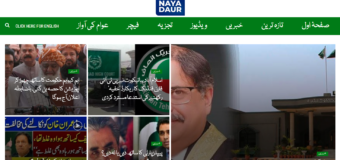
Naya Daur Media (NDM) is a bi-lingual, progressive and public-funded digital media platform aiming to inform and educate Pakistanis at home and abroad. It attempts to amplify citizen voices and provide a platform to bloggers, v-loggers and reporters so that citizen journalism turns into a responsible and constructive branch of the country’s media environment.
Pak Tea House Blog

Pak Tea House

Website
Lahore Nama

Lahore Nama l

Website

Raza Rumi's Video Channel